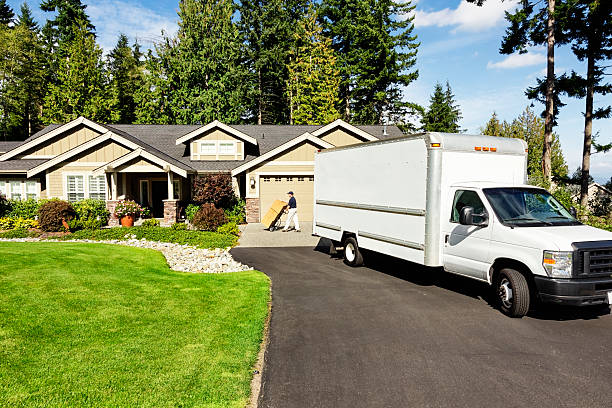
Moving to a new home in Greensboro can feel like a marathon, especially when packing becomes the most time-consuming part of the process. A well-planned packing strategy not only protects belongings but also reduces the physical and mental strain that often accompanies relocation. By applying proven techniques and leveraging local resources, the transition can be smooth, organized, and virtually stress-free.
Pre-Packing Planning: Setting the Foundation
Assess Your Inventory Early
Before boxes appear, conduct a room-by-room audit. This helps identify items to keep, donate, or discard, preventing unnecessary weight and volume. Create a simple spreadsheet or use a mobile app to track categories, estimated weight, and special handling requirements.
Gather the Right Supplies
Quality packing materials are essential for safeguarding fragile and valuable items. Stock up on the following:
- Sturdy corrugated boxes in various sizes (small for books, large for linens)
- Bubble wrap, packing paper, and foam inserts for delicate objects
- Heavy-duty packing tape and a tape dispenser
- Label markers, color-coded stickers, and a permanent-marker pen
Create a Packing Timeline
Divide the move into manageable phases. A typical timeline might look like this:
- 6-8 weeks before move: Begin decluttering and donate unwanted items.
- 4-5 weeks before move: Pack non-essentials (seasonal d??cor, extra linens).
- 2-3 weeks before move: Pack kitchenware, books, and electronics.
- 1 week before move: Pack everyday essentials and prepare an “open-first” box.
Efficient Packing Techniques
Box Packing Order
Follow a logical sequence to maximize space and protect contents:
- Heavier items first: Place books, dishes, and appliances at the bottom of each box.
- Mid-weight items next: Folded clothing, towels, and linens fill the middle layers.
- Lightest items on top: Pillows, small d??cor, and loose accessories.
Labeling for Quick Unpacking
Clear labeling eliminates guesswork at the new address. Use a two-part system:
- Room code: Assign a simple abbreviation (e.g., “LR” for living room, “KB” for kitchen).
- Box number: Number each box sequentially within its room category (e.g., “LR-03”).
For a visual guide on labeling best practices, Discover expert strategies here.
Protecting Fragile Items
Fragile items require extra cushioning:
- Wrap each piece individually in bubble wrap or packing paper.
- Line the bottom of the box with a layer of crumpled paper.
- Place a “Fragile” sticker on the box’s top and sides.
Special Considerations for Greensboro Relocations
Seasonal Weather Impacts
Greensboro’s climate can shift quickly, especially in spring and fall. To avoid moisture damage:
- Store boxes in a dry, temperature-controlled area until loading.
- Use waterproof covers for outdoor items such as patio furniture.
Local Moving Resources
Utilizing regional services can streamline the move. Many local providers offer short-term storage, specialty handling for antiques, and same-day delivery options. For a curated list of reputable movers and storage facilities, Learn about our tailored solutions.
Regulatory and Community Guidelines
Some neighborhoods in Greensboro have specific moving day restrictions (e.g., no moving trucks on certain streets after 5″?p.m.). Check with the homeowners’ association or city council website ahead of time to schedule deliveries during permitted hours.
Day-Of Move Checklist
- Verify that all boxes are sealed and clearly labeled.
- Keep essential documents, medication, and valuables in a personal backpack.
- Conduct a final walk-through of each room to ensure nothing is left behind.
- Confirm the moving truck’s arrival time and loading plan with the driver.
- Take photos of the former residence for your records.
Having a concise checklist reduces the chance of last-minute surprises and keeps the process on schedule.
Unpacking Strategies for a Smooth Start
Prioritize Core Areas
Begin with the bedroom and kitchen, the two rooms most essential for daily comfort. Unpack bedding, basic cookware, and essential appliances first.
Use the Same Label System in Reverse
Place items back into their designated rooms according to the room code on each box. This method prevents the chaos of sorting items on the floor.
Recycle and Donate
After unpacking, immediately recycle packing materials and donate any boxes or supplies you no longer need. This not only helps the environment but also keeps the new home tidy.
Continued Support and Resources
Even after the last box is opened, ongoing organization tips can make the new space feel truly homey. For deeper insights into long-term home organization, Explore advanced guides and tips. If you’re interested in learning more about specific packing methodologies, Find out more about this approach. These resources provide actionable advice that extends beyond the moving day itself.
By integrating thoughtful preparation, strategic packing, and local knowledge, a Greensboro relocation can transition from a daunting task to a well-orchestrated experience. Applying these expert tips ensures belongings arrive safely, the move stays on schedule, and the new home feels welcoming from day one.
About the Author