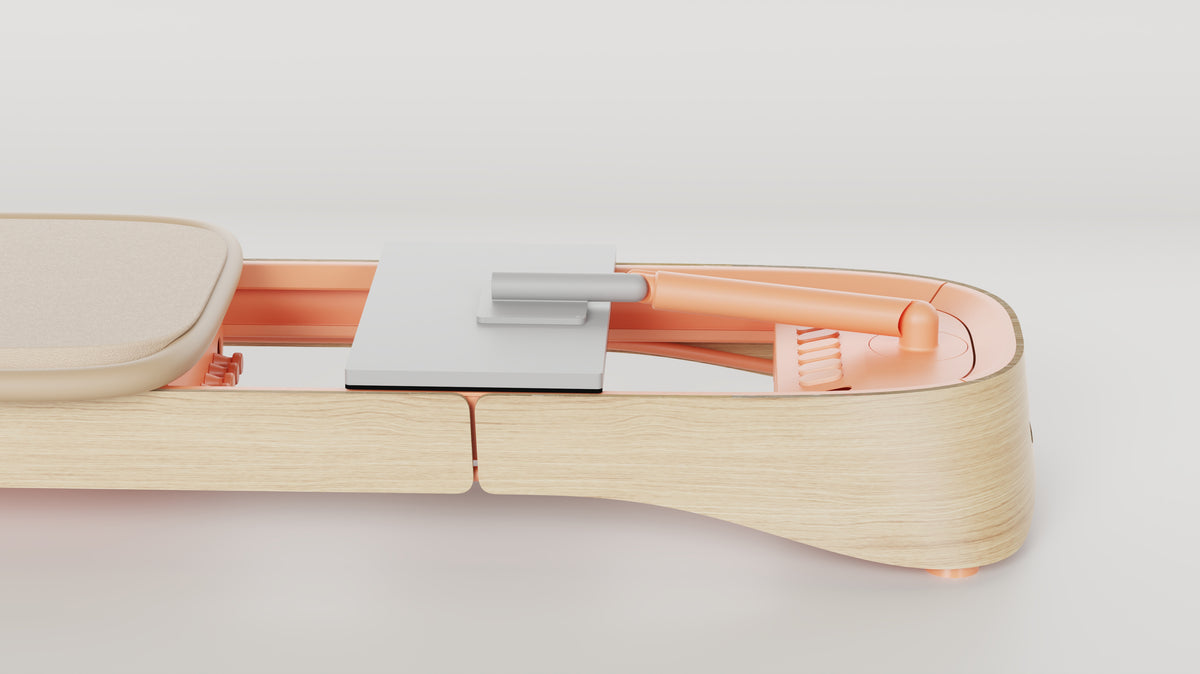
Integrating a Pilates reformer into a home workout routine offers a unique blend of strength, flexibility, and core stability that traditional mat work often cannot match. When space, time, and consistency are limited, a well-designed reformer can become the cornerstone of a balanced fitness program. This article outlines proven strategies for maximizing results on a home Pilates reformer, covering everything from equipment setup to progressive workout design, while highlighting subtle cues that elevate performance without the need for a studio environment.
Optimizing Your Home Reformer Setup
Choosing the Right Location
- Flat, stable floor – preferably hardwood or a low-pile carpet to prevent wobble.
- Ample clearance around the machine (at least 3″?feet on each side) for full range of motion.
- Good natural or artificial lighting to maintain proper form and reduce eye strain.
Essential Accessories
- Non-slip mat or rubber pads for the footbar and carriage.
- Adjustable resistance bands or springs that match your current strength level.
- Comfortable, breathable clothing that allows full movement.
For a complete guide to selecting the ideal reformer model and accessories, Discover expert strategies here.
Fundamental Principles for Effective Reformer Workouts
- Neutral Spine Alignment: Maintain a natural curve in the lumbar region throughout each exercise.
- Controlled Breathing: Inhale during the preparatory phase, exhale during the exertion phase.
- Progressive Resistance: Start with lighter springs and gradually increase load as strength improves.
- Mind-Muscle Connection: Focus on the target muscle group rather than simply moving the carriage.
Sample Warm-Up Routine (5-7 minutes)
- Footwork on the carriage – 1 minute of parallel heels, 1 minute of parallel toes.
- Pelvic tilts in supine – 10 repetitions, emphasizing spinal articulation.
- Arm circles on the strap – 15 seconds forward, 15 seconds backward.
Designing a Balanced Weekly Program
A well-rounded reformer schedule should address core stability, lower-body strength, upper-body conditioning, and flexibility. Below is a sample 4-day split that can be adapted to individual goals.
Day”?1 – Core & Stability
- Hundred (with strap) – 2 sets of 100 pulses.
- Short Spine Massage – 3 sets of 8 repetitions.
- Side-lying Leg Series – 3 sets of 12 reps each side.
Day”?2 – Lower Body Power
- Footwork (wide, narrow, and V-position) – 4 sets of 12 reps each.
- Standing Leg Press – 3 sets of 10 reps per leg.
- Bridge on the Reformer – 3 sets of 15 reps.
Day”?3 – Upper Body Strength
- Standing Arm Press – 3 sets of 12 reps.
- Rowing with Long Box – 4 sets of 10 reps.
- Triceps Pull-Down – 3 sets of 15 reps.
Day”?4 – Flexibility & Flow
- Spine Stretch Forward – 3 sets of 8 breaths.
- Mermaid Side Stretch – 2 sets of 6 breaths each side.
- Rolling Like a Ball – 2 minutes continuous.
For deeper insight into program customization, Learn about our tailored solutions.
Advanced Techniques for Maximizing Results
- Variable Spring Combinations: Mix light and heavy springs within a single set to challenge stabilizers.
- Tempo Manipulation: Use a 3-second eccentric phase followed by a 1-second concentric phase to increase time under tension.
- Isometric Holds: Pause at peak contraction for 3-5 seconds to enhance muscular endurance.
- Progressive Overload: Record spring settings and aim to increase resistance by one level every two weeks.
To explore more sophisticated training methods, Explore advanced guides and tips.
Tracking Progress and Adjusting the Plan
Key Metrics to Monitor
- Reformer spring setting and carriage speed.
- Number of repetitions completed with proper form.
- Subjective effort rating (scale of 1-10).
- Flexibility measurements – e.g., reach distance in the Spine Stretch.
Monthly Review Checklist
- Compare current spring settings to baseline values.
- Assess any plateaus in core endurance or lower-body strength.
- Adjust workout volume (add sets or increase reps) based on fatigue levels.
- Incorporate new exercises to prevent monotony.
For a practical template to log these variables, Find out more about this approach.
Maintaining Safety and Longevity
- Inspect springs and cords weekly for signs of wear.
- Lubricate moving parts according to the manufacturer’s guidelines.
- Never exceed the recommended weight limit of the reformer.
- Warm up thoroughly and cool down with gentle stretches to protect joints.
Conclusion
Utilizing a Pilates reformer at home can deliver studio-level results when paired with a structured program, mindful progression, and consistent technique refinement. By optimizing the workout environment, adhering to core principles, and leveraging advanced strategies, practitioners can achieve stronger cores, leaner muscles, and greater overall mobility, all within the convenience of their own space. The combination of disciplined practice and strategic equipment use ensures that each session builds toward lasting fitness gains.
About the Author