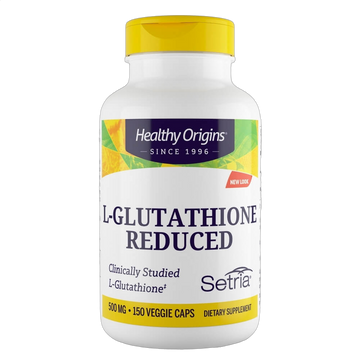
Glutathione, often described as the body’s “master antioxidant,” plays a vital role in cellular detoxification, immune support, and the maintenance of oxidative balance. With rising consumer awareness, the market now offers a wide array of glutathione supplements, each promising superior absorption and efficacy. However, the regulatory landscape, formulation standards, and brand reputations differ markedly between the United Kingdom and the United States. Understanding these nuances is essential for anyone seeking the most reliable product, whether the goal is skin health, athletic recovery, or general well-being.
Regulatory Framework: UK vs. US
United Kingdom
- Supplement products are regulated under the Food Supplements (England) Regulations 2003 and must comply with the European Food Safety Authority (EFSA) guidelines.
- Claims about antioxidant benefits must be substantiated by scientific evidence and approved by the Medicines and Healthcare products Regulatory Agency (MHRA).
- Manufacturers are required to provide a glutathione supplement label that includes dosage, ingredient source, and any allergens.
United States
- The Food and Drug Administration (FDA) classifies glutathione as a dietary supplement, subject to the Dietary Supplement Health and Education Act (DSHEA) of 1994.
- Claims are less strictly vetted; manufacturers can use broader language such as “supports detoxification” without pre-approval.
- Good Manufacturing Practices (GMP) are mandated, but enforcement varies, leading to a wider quality spectrum among brands.
Formulation Differences
Both markets offer reduced-glutathione (GSH), liposomal delivery, and acetyl-glutathione formats. The key differentiators are:
- Ingredient sourcing: UK brands often prioritize European-grown raw materials, while US brands may source globally, affecting purity profiles.
- Delivery technology: Liposomal encapsulation is more prevalent in the US, aiming to protect glutathione from gastric degradation.
- Dosage standards: Typical daily doses range from 250″?mg to 1,000″?mg; UK products tend to stay within the lower end of this range to align with EFSA recommendations.
Brand Reputation and Consumer Trust
When comparing brands, consider the following criteria to gauge reliability:
Transparency
- Full disclosure of third-party testing results.
- Clear manufacturing location and batch numbers.
- Accessible customer service for queries about ingredient provenance.
Scientific Backing
- Peer-reviewed studies cited on the product page.
- Clinical trials demonstrating bioavailability improvements.
- References to independent research on glutathione’s role in oxidative stress.
Market Feedback
- Ratings on reputable retail platforms (e.g., Amazon UK, Boots, or specialized health stores).
- User testimonials focusing on measurable outcomes such as skin clarity or reduced fatigue.
- Return and refund policies that reflect confidence in product efficacy.
Comparative Overview of Leading UK and US Brands
| Aspect | Typical UK Brand | Typical US Brand |
|---|---|---|
| Regulatory compliance | EFSA-aligned labeling, MHRA oversight | DSHEA compliance, FDA GMP |
| Delivery system | Standard reduced-glutathione capsules, occasional liposomal powders | Advanced liposomal softgels, acetyl-glutathione tablets |
| Typical dosage | 250″?mg – 500″?mg per day | 500″?mg – 1,000″?mg per day |
| Price range (per 30-day supply) | ?20 – ?35 | $30 – $55 |
| Third-party testing | Often highlighted on the product page | Variable; some brands provide certificates, others do not |
Choosing the Right Product for Your Needs
To determine whether a UK-based or US-based supplement is more suitable, evaluate personal priorities:
- Regulatory comfort: If strict regulatory oversight is a priority, UK products may offer greater reassurance.
- Absorption technology: For those seeking maximal bioavailability, liposomal US formulations could be advantageous.
- Budget considerations: UK options often provide a lower cost per milligram of glutathione.
- Specific health goals: Skin-brightening regimens frequently cite the best glutathione supplement as a supporting agent, while athletic recovery protocols may benefit from higher dosages typical of US brands.
Where to Find Reliable Options
Consumers looking for vetted products can explore curated selections that meet both UK and US quality standards. A well-curated collection often includes the glutathione ukglutathione supplement uk line, featuring transparent sourcing and third-party testing. For those interested in the top-tier offerings, the best glutathineo supplement uk category provides advanced formulations with enhanced stability.
In summary, the decision between UK and US glutathione supplements hinges on regulatory confidence, delivery technology, and individual health objectives. By scrutinizing label claims, verifying third-party testing, and aligning dosage with personal goals, shoppers can confidently select a product that delivers the antioxidant support promised by this essential molecule.
About the Author