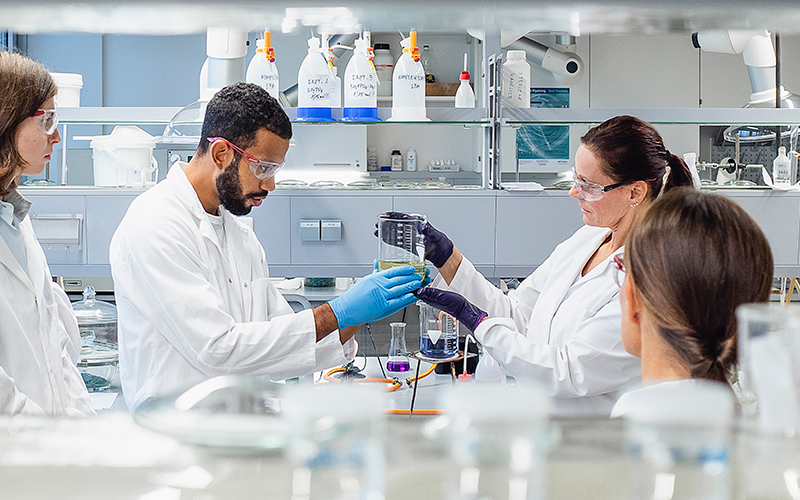
In recent years, the cosmetics industry has witnessed groundbreaking advancements in research and development, paving the way for innovative products that meet consumer demand for efficacy, safety, and sustainability. Driven by cutting-edge technology and a deeper understanding of skin biology, cosmetics laboratories are at the forefront of creating formulations that cater to diverse skin types and concerns. The shift towards personalized skincare and eco-friendly products has further accelerated the evolution of cosmetic science, making it an exciting field with endless possibilities.
Technological Innovations in Cosmetic Formulations
The integration of technology in cosmetics research has enabled the development of sophisticated formulations that deliver superior results. Some key technological advancements include:
- Nanotechnology: Utilized to enhance the delivery of active ingredients, allowing them to penetrate deeper into the skin for improved efficacy.
- Biotechnology: Used to create bioengineered ingredients that mimic natural compounds, offering sustainable and ethically sourced alternatives.
- 3D Printing: Employed in the creation of customized makeup products, matching specific skin tones and personal preferences.
These technologies have revolutionized the cosmetics industry, enabling researchers to develop products that address specific skin concerns with greater precision and effectiveness. Find out more about this approach to integrating technology into cosmetics.
Personalized Skincare: A Growing Trend
The trend towards personalized skincare has gained momentum, with consumers increasingly looking for products tailored to their individual needs. This trend is supported by advancements in:
- Genetic Profiling: Allows for the customization of skincare products based on an individual’s genetic makeup, optimizing the benefits for each user.
- AI and Machine Learning: Utilized in skin analysis tools to recommend personalized skincare regimens, predicting how different products will interact with unique skin types.
- Sustainable Ingredients: Incorporating eco-friendly and ethically sourced ingredients to meet the growing demand for sustainability.
The emphasis on personalization and sustainability not only enhances user satisfaction but also aligns with broader environmental and ethical goals. Explore advanced guides and tips on how personalized skincare is transforming the industry.
Sustainability and Ethical Considerations
The cosmetics industry is increasingly focused on sustainability, driven by both consumer demand and regulatory pressures. This shift is evident in several areas:
- Eco-friendly Packaging: Adoption of biodegradable and recyclable materials to reduce environmental impact.
- Zero-waste Formulations: Creating products with minimal or no waste by-products during production.
- Cruelty-free Testing: Implementing alternative testing methods that do not involve animals, in line with evolving ethical standards.
These efforts reflect a commitment to reducing the environmental footprint of cosmetic products while maintaining high standards of quality and safety. Learn about our tailored solutions for sustainable practices in cosmetics.
Future Directions in Cosmetics Research
As the field of cosmetics continues to evolve, several emerging trends are poised to shape its future. These include:
- Holistic Beauty Approaches: Integrating wellness and beauty, focusing on overall health and well-being.
- Microbiome-friendly Products: Formulations designed to support the skin’s natural microbiome, promoting skin health.
- Smart Skincare Devices: Utilizing IoT and smart technology to provide real-time feedback and personalized skincare advice.
The future of cosmetics research promises to be dynamic and transformative, with a continued focus on innovation and consumer-centric solutions. Discover expert strategies here for staying ahead in this rapidly changing industry.
About the Author