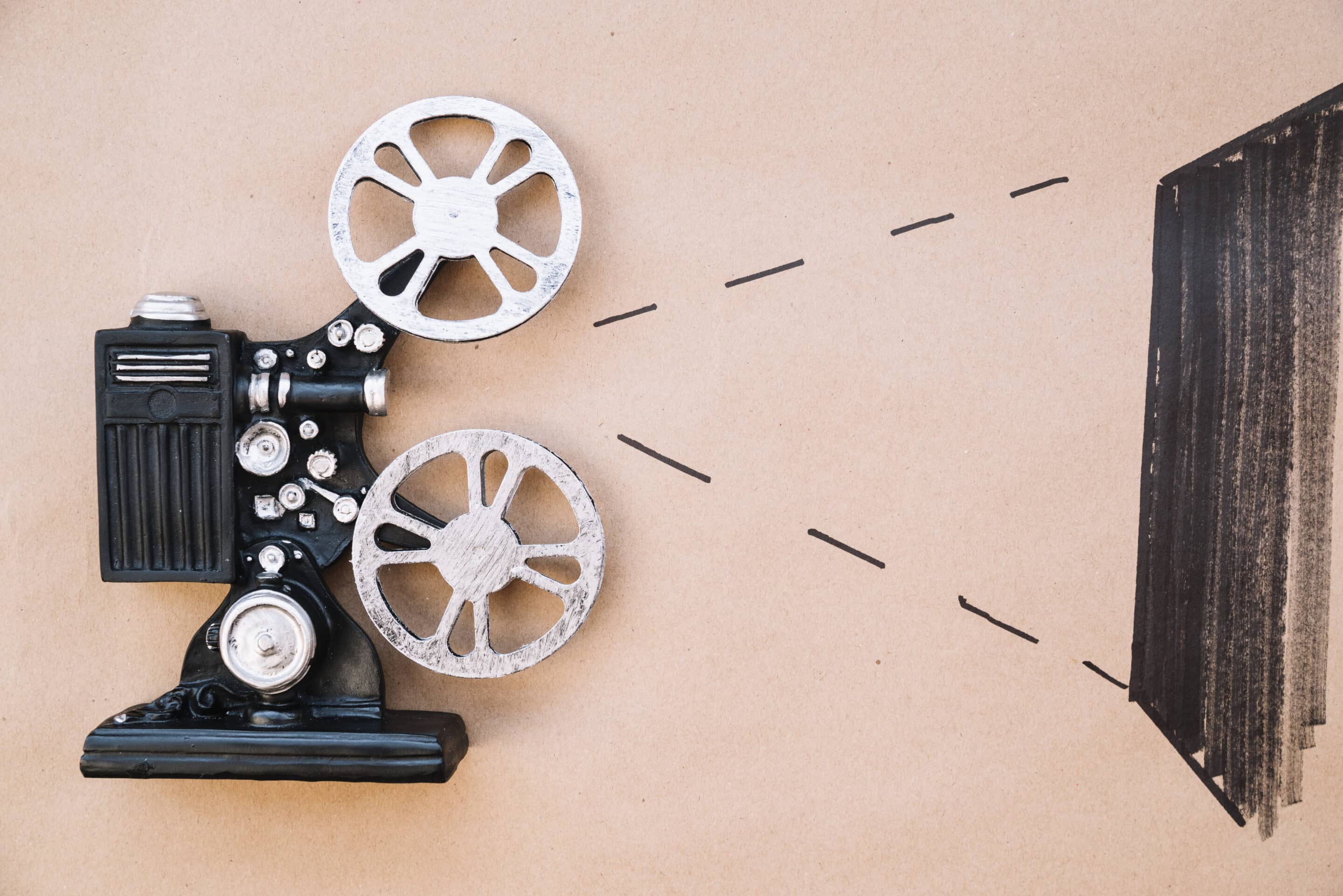
In an age where technology rapidly evolves, preserving cherished memories in a format that stands the test of time is more essential than ever. Film, once the pinnacle of capturing life’s moments, now faces the challenge of obsolescence, making the need for digital conversion crucial. This transformation not only safeguards these memories but also enhances the way they can be shared and experienced. Delving into the nuances of film to digital conversion reveals a process that requires precision, expertise, and an understanding of various film formats and digital technologies.
Understanding Film Formats
Before embarking on the conversion journey, it’s essential to recognize the diverse film formats that were popular in earlier decades. These formats include:
- 8mm and Super 8: Commonly used for home movies, these formats are small and require careful handling during conversion.
- 16mm: Often utilized in professional filmmaking and educational settings, 16mm film provides higher resolution than its 8mm counterparts.
- 35mm: The standard for commercial cinema, known for its superior quality and detail.
Understanding these formats is the first step in choosing the right conversion method. For a detailed guide on how to handle each format, discover expert strategies here.
The Conversion Process
The process of converting film to digital is intricate, involving several steps to ensure the highest quality of the final product. These steps include:
1. Cleaning and Preparation
Films must be meticulously cleaned to remove dust and debris that could affect the quality of the digital copy. This step is crucial to prevent damage during the scanning process.
2. Scanning
This is where the magic happens. Using high-resolution scanners, every frame of the film is digitized. This requires precision equipment and expertise to capture the nuances of the original footage. Learn about our tailored solutions for high-quality scanning.
3. Color Correction and Restoration
With age, film can deteriorate, leading to color fading and damage. Digital tools allow for color correction and restoration, breathing new life into old footage and preserving the authenticity of the original moments.
Benefits of Digital Conversion
The advantages of converting film to digital extend far beyond mere preservation:
- Longevity: Digital files are easier to store and less susceptible to the physical degradation that affects film.
- Accessibility: Once digitized, memories can be shared effortlessly across devices and platforms.
- Enhanced Viewing Experience: Digital conversion often enhances the clarity and quality of footage, allowing for a more immersive viewing experience.
For more insights into enhancing your viewing experience, explore advanced guides and tips.
Choosing the Right Service
When selecting a service for film to digital conversion, consider the following factors:
- Expertise: Ensure the service has a proven track record and experience with various film formats.
- Technology: High-quality scanners and restoration tools are essential for the best results.
- Customer Reviews: Feedback from previous clients can provide insight into the quality and reliability of the service.
To ensure your memories are in the right hands, find out more about this approach to selecting a service provider.
In conclusion, converting film to digital is more than just a technical process; it’s about preserving the past for future enjoyment. By understanding the intricacies involved and choosing the right service, cherished memories can be revived and shared with generations to come.
About the Author


