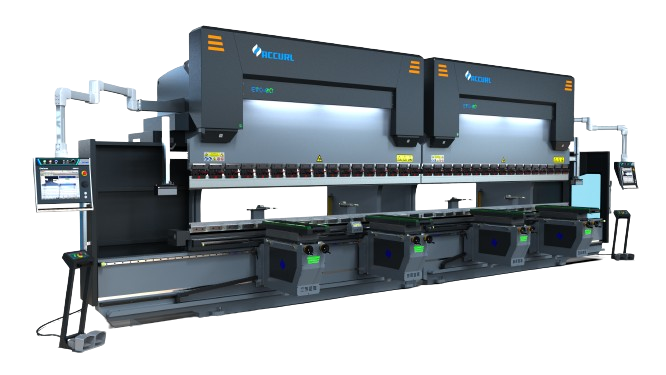
In the evolving landscape of metal fabrication, the importance of precision, efficiency, and reliability cannot be overstated. For workshops looking to enhance their production capabilities and output quality, investing in a state-of-the-art press brake machine can be transformative. These machines, known for their ability to bend and shape metal with pinpoint accuracy, are essential for modern manufacturing environments. The right press brake can help produce components that meet exacting standards, making it a critical tool for any workshop aiming to compete in today’s market.
Understanding Press Brake Machines
Press brake machines are integral to the metalworking industry, providing unmatched precision and versatility. These machines use a combination of pressure and bending tools to manipulate sheet metal into desired shapes and angles. Their applications range from creating small, intricate parts to manufacturing large structural components.
Key Features to Consider
When selecting a press brake machine for sale, several features and specifications should be evaluated to ensure optimal performance and suitability for specific tasks:
- Tonnage: This determines the machine’s capacity to bend metal. Choosing the right tonnage is crucial based on the thickness and type of material.
- Bending Length: The maximum length of metal that can be bent. Ensure it matches the requirements of your production line.
- Precision and Accuracy: High precision ensures consistent quality in repetitive tasks.
- Control System: Modern machines often feature CNC controls for enhanced accuracy and ease of use.
- Energy Efficiency: Look for machines that offer energy-saving features to reduce long-term operational costs.
Types of Press Brake Machines
The market offers a variety of press brake machines, each suited to different applications and scales of operation. Understanding the types available can guide you in selecting the best press brake machine for your needs.
Hydraulic Press Brakes
Hydraulic press brakes are renowned for their power and capability to handle heavy-duty tasks. These machines use hydraulic fluid to exert force, making them ideal for thick and tough materials.
Mechanical Press Brakes
These machines are driven by mechanical means, often favored for their speed and efficiency in high-volume production settings. While they may lack the power of hydraulic models, they excel in precision and repeatability.
Electric Press Brakes
Electric press brakes are a modern solution, offering energy efficiency and precision. They are suited for environments where sustainability and cost-efficiency are priorities.
Benefits of Upgrading Your Workshop
Integrating advanced press brake machines into your workshop can yield significant advantages. These benefits extend beyond immediate productivity gains and contribute to long-term operational success.
- Improved Efficiency: Advanced machines reduce setup times and increase throughput, enhancing overall productivity.
- Enhanced Precision: Consistent accuracy minimizes waste and rework, leading to cost savings.
- Versatility: Capable of handling diverse materials and complex designs, modern press brakes expand workshop capabilities.
- Safety Features: Newer models often include enhanced safety measures, protecting operators and reducing downtime.
Conclusion
For workshops aiming to stay ahead in an increasingly competitive industry, upgrading to a high-quality press brake machine is a strategic move. Whether it’s a small press brake for intricate tasks or a heavy-duty model for large-scale production, the right choice can redefine your operational efficiency and product quality. Investing in the latest technology not only meets current demands but also positions your workshop for future success.
About the Author