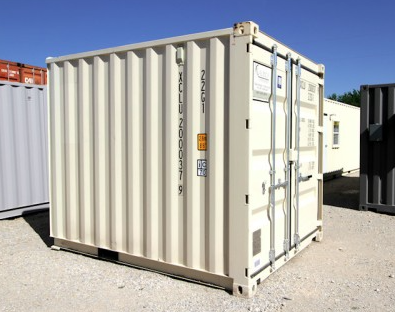
The construction industry is witnessing a transformative shift with the adoption of commercial modular buildings. As businesses seek efficient, cost-effective, and sustainable building solutions, modular construction presents a viable alternative to traditional methods. These prefabricated structures offer numerous advantages, from reduced construction time to increased flexibility. By understanding the benefits and applications of commercial modular buildings, businesses can make informed decisions that align with their operational goals and sustainability targets.
Understanding Modular Construction
Modular construction involves the prefabrication of building sections?often referred to as modules?off-site in a controlled factory environment. These modules are then transported to the construction site and assembled into a complete building. This method offers a streamlined process that reduces the complexities of on-site construction.
Key Advantages
- Speed: Modular buildings can be constructed 30-50% faster than traditional structures due to simultaneous site work and module fabrication.
- Cost-Efficiency: The controlled factory setting minimizes waste and reduces labor costs.
- Quality Control: Factory production ensures consistent quality and adherence to building standards.
- Flexibility: Modular buildings can be easily expanded, reconfigured, or relocated to meet changing needs.
- Eco-Friendly: Modular construction reduces material waste and minimizes the environmental impact of building activities.
Applications in Various Industries
Modular buildings are versatile and can be adapted for various commercial applications. They are commonly used in sectors such as healthcare, education, retail, and office spaces. The adaptability of modular construction allows for customized solutions that cater to specific industry requirements.
For instance, in the healthcare sector, modular buildings can be rapidly deployed to address urgent space needs, such as temporary clinics or testing facilities. In education, modular classrooms provide a quick solution to accommodate fluctuating student populations. Discover expert strategies here for implementing modular solutions across industries.
Implementation Challenges and Solutions
While modular construction offers many benefits, it also presents challenges. Coordination between off-site and on-site activities is crucial for a seamless integration. Additionally, transportation logistics for the modules require careful planning. However, with the right expertise and planning, these challenges can be effectively managed. Learn about tailored solutions here to overcome potential hurdles in modular construction.
Future Trends in Modular Construction
The future of modular construction looks promising, with advances in technology driving innovation. The integration of smart technologies and sustainable materials is set to elevate the capabilities of modular buildings. As businesses increasingly prioritize sustainability, modular construction aligns well with eco-friendly initiatives. Explore advanced guides and tips here to stay ahead in the evolving landscape of modular construction.
Conclusion
Commercial modular buildings represent a strategic shift in the construction industry, offering benefits that align with modern business needs. By embracing modular construction, businesses can achieve operational efficiency, cost savings, and sustainability. Find out more about this innovative approach here and explore how modular solutions can be tailored to meet specific industry demands.
About the Author