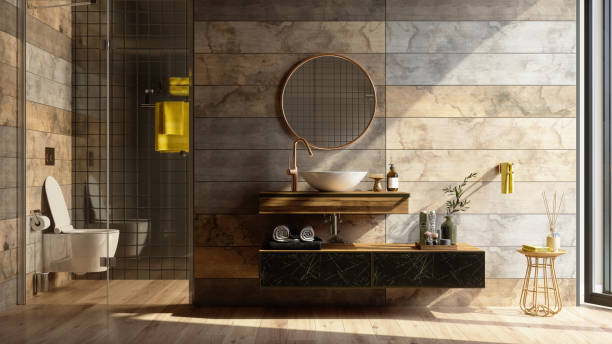
In an era where the hospitality industry is more competitive than ever, design has emerged as a vital component in creating memorable guest experiences. As travelers seek unique and immersive environments, the role of design in hospitality is not just about aesthetics; it encompasses functionality, sustainability, and brand identity. This article delves into how strategic design choices can transform hospitality spaces, enhancing guest satisfaction and operational efficiency.
Understanding the Role of Design in Hospitality
Design in the hospitality sector is a multifaceted discipline that shapes the ambiance and functionality of a space. It goes beyond visual appeal, impacting how guests interact with the environment and how staff perform their duties. A well-designed space can lead to:
- Increased guest satisfaction and loyalty
- Improved staff efficiency and morale
- Enhanced brand identity and recognition
- Optimized space utilization and flow
Discover expert strategies here to leverage design in creating impactful hospitality experiences.
Key Elements of Effective Hospitality Design
Functionality and Comfort
A successful hospitality design prioritizes guest comfort while ensuring functional space use. This involves thoughtful planning of room layouts, ergonomic furniture, and intuitive wayfinding. Such elements contribute to a seamless guest experience from check-in to check-out.
Sustainability and Innovation
As environmental concerns gain prominence, sustainable design practices have become integral to hospitality projects. Implementing energy-efficient systems, sourcing eco-friendly materials, and designing for durability not only reduce operational costs but also appeal to the environmentally conscious traveler.
Learn about our tailored solutions here to incorporate sustainability into your hospitality design.
Brand Expression
Design serves as a powerful tool for expressing a brand’s identity. From color schemes and lighting to art installations and architectural styles, every design choice should reflect the brand’s ethos and values. This consistency helps in building a strong emotional connection with guests, fostering brand loyalty.
The Impact of Technology on Hospitality Design
In the digital age, technology has become an integral part of hospitality design. Smart room features, digital concierge services, and immersive virtual reality experiences are revolutionizing guest interactions. These innovations not only enhance convenience but also provide personalized experiences that cater to the modern traveler.
Explore advanced guides and tips here to integrate cutting-edge technology into hospitality spaces.
Design Trends Shaping the Future of Hospitality
As the hospitality industry evolves, so do design trends. Key trends include biophilic design, which incorporates natural elements to promote wellness, and adaptive reuse, which transforms existing structures into vibrant hospitality venues. These trends not only cater to guest preferences but also address broader societal values such as sustainability and heritage conservation.
Find out more about this approach here and stay ahead in the dynamic world of hospitality design.
In conclusion, the potential of design in the hospitality industry extends far beyond aesthetics. By embracing innovative, sustainable, and brand-centric design approaches, hospitality providers can create spaces that not only meet but exceed guest expectations. The fusion of design and technology opens new avenues for personalized and memorable guest experiences, setting a new standard in the industry.
About the Author