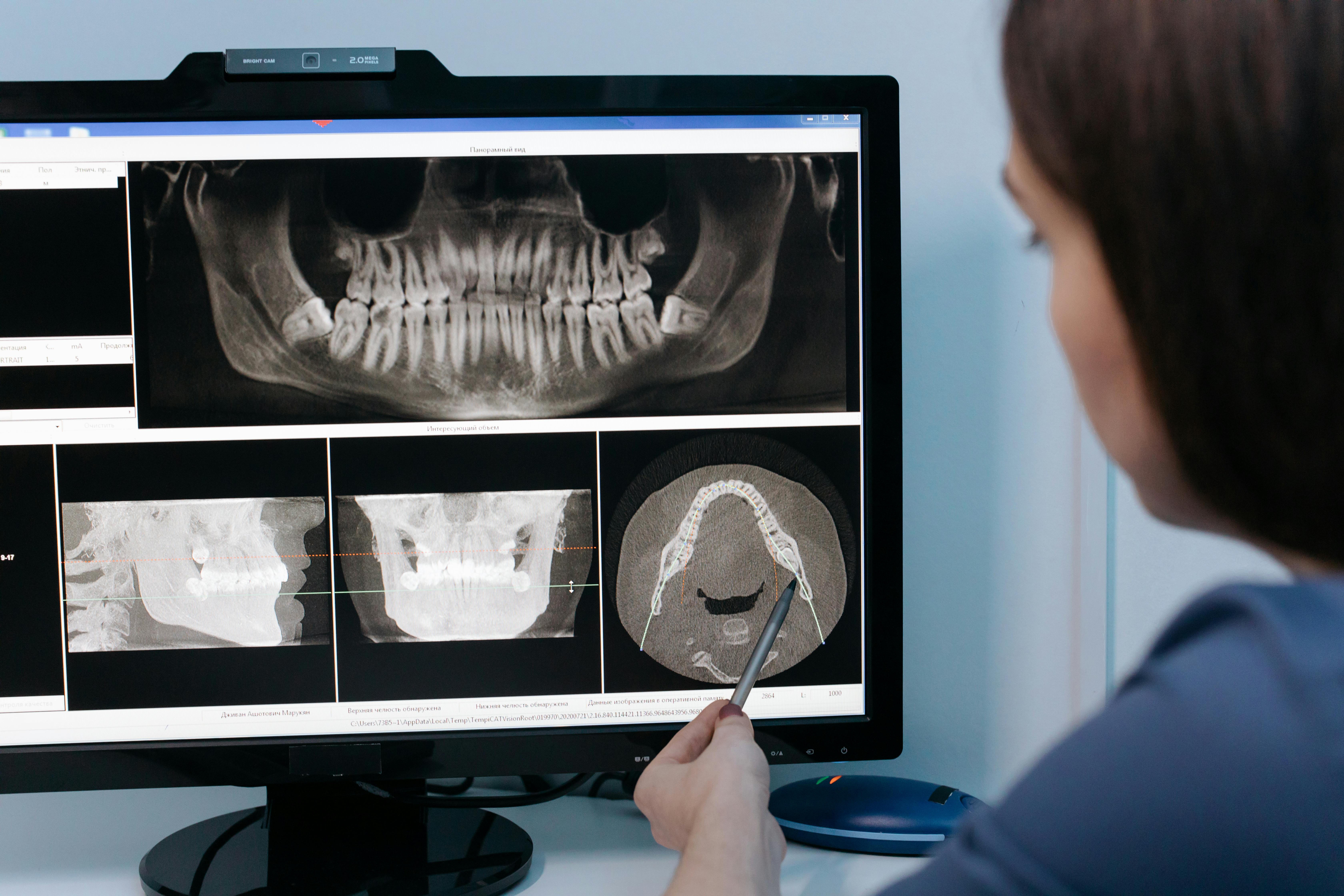
Dental emergencies can happen at any time, often when least expected. A sudden toothache, a broken tooth, or any unexpected dental trauma can cause immense discomfort and distress. Understanding the importance of seeking timely care for dental emergencies is crucial for preserving oral health and preventing further complications. This article explores the significance of immediate attention in dental crises, the potential consequences of delayed treatment, and the essential steps to take when faced with a dental emergency.
The Nature of Dental Emergencies
Dental emergencies encompass a wide range of issues that require urgent attention from a dental professional. Some common dental emergencies include:
- Severe toothache due to decay or infection
- Chipped or broken teeth resulting from accidents
- Knocked-out teeth
- Loose or lost dental fillings or crowns
- Infections or abscesses in the mouth
Recognizing these symptoms and understanding the need for an emergency dentist can make a significant difference in the outcome of the treatment.
Consequences of Delayed Treatment
Delaying treatment for a dental emergency can lead to several complications. Some possible consequences include:
- Increased pain and swelling
- Further damage to the teeth or gums
- Spread of infection, potentially leading to more severe health issues
- Increased treatment complexity and costs
- Risk of permanent tooth loss
Immediate consultation with a dentist dental emergency is essential to mitigate these risks and ensure optimal outcomes.
Steps to Take During a Dental Emergency
Knowing what to do in the event of a dental emergency can help manage the situation effectively until professional help is obtained. Here are some recommended steps:
For Toothaches
Rinse the mouth with warm water and gently floss to remove any trapped food particles. Avoid placing aspirin or any other painkiller directly on the gums.
For Knocked-Out Teeth
Handle the tooth by the crown, not the root. Rinse gently with water if dirty, without scrubbing. Try to reposition the tooth in the socket if possible, or store it in milk until reaching the dentist.
For Broken or Chipped Teeth
Rinse the mouth with warm water and apply a cold compress to the area to reduce swelling. Save any broken pieces and bring them to the dentist.
The Role of Professional Dental Care
Professional dental care is vital in effectively addressing dental emergencies. Dentists have the expertise and tools necessary to diagnose the problem accurately and provide appropriate treatment. Timely intervention can alleviate pain, repair damage, and prevent further complications. For those experiencing a dental crisis, reaching out to an emergency dentist is a crucial step.
Conclusion
Dental emergencies require prompt and effective care to prevent long-term damage and ensure oral health is maintained. Understanding the nature of these emergencies, the risks of delayed treatment, and the steps to take in such situations can help individuals manage dental crises effectively. Seeking timely professional dental care can make a substantial difference in outcomes, underscoring the importance of having access to reliable dental services when emergencies arise.
About the Author