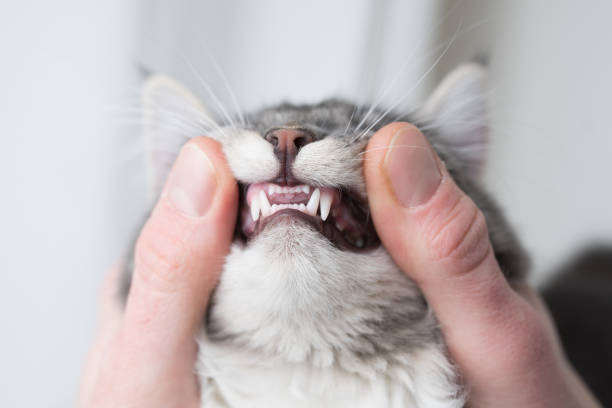
Maintaining a dog’s dental health is essential not only for their oral hygiene but also for their overall well-being. Good dental care can prevent a myriad of health issues, including periodontal disease, which can affect a dog”?s heart, liver, and kidneys. While professional veterinary care is indispensable, at-home dental cleaning plays a vital role in ensuring a dog’s teeth and gums remain healthy between veterinary visits. Here are some expert tips to help keep your dog’s mouth healthy and fresh.
Start with the Right Tools
Investing in the right dental tools can make a significant difference in the effectiveness of your dog’s dental cleaning routine.
- Use a dog-specific toothbrush with soft bristles that can reach the back teeth comfortably.
- Choose a pet-friendly toothpaste that is safe to swallow, as human toothpaste can be harmful to dogs.
- Consider dental wipes or finger brushes if your dog is resistant to a regular toothbrush.
Establish a Routine
Consistency is key when it comes to dog dental cleaning. Establishing a regular routine helps your dog become accustomed to the process.
- Begin by brushing your dog’s teeth a few times a week, gradually increasing to daily brushing.
- Maintain a calm and positive environment to make the process enjoyable for your dog.
- Reward your pet with praise or a small treat after brushing to reinforce positive behavior.
Use Dental Chews and Toys
Incorporating dental chews and toys into your dog’s routine can complement brushing by helping to reduce plaque and tartar buildup.
- Select vet-recommended dental chews that are specifically designed to clean teeth and freshen breath.
- Opt for rubber or nylon toys that encourage chewing and help scrape away plaque.
- Always monitor your dog while they use dental chews or toys to prevent choking hazards.
Monitor Your Dog’s Diet
A balanced diet plays a crucial role in maintaining good oral health. Feeding your dog the right foods can help prevent dental issues.
- Incorporate kibble into your dog’s diet, as its texture can help clean teeth while chewing.
- Avoid giving sugary or sticky treats that can contribute to plaque accumulation.
- Consult your veterinarian for recommendations on dental-specific dog food that promotes oral health.
Look for Signs of Dental Problems
Regular at-home checks can help you catch potential dental issues early, ensuring prompt professional intervention.
- Check for bad breath, which could indicate the beginning of periodontal disease.
- Look for signs of red or swollen gums, as these can be indicators of gingivitis.
- Pay attention to any changes in your dog’s eating habits or reluctance to chew.
Consult with Your Veterinarian
While home care is crucial, regular veterinary check-ups are essential for comprehensive animal dental care.
- Schedule annual dental exams to identify and address any issues that may not be visible at home.
- Discuss professional cleaning options if your dog exhibits signs of dental disease.
- Seek advice on the best dental care practices tailored to your dog’s specific needs.
By following these tips and maintaining a proactive approach to your dog’s dental health, you can help ensure their mouth remains healthy and free from disease. The integration of both at-home care and professional veterinary support is the best strategy for maintaining your dog’s oral health.
About the Author


