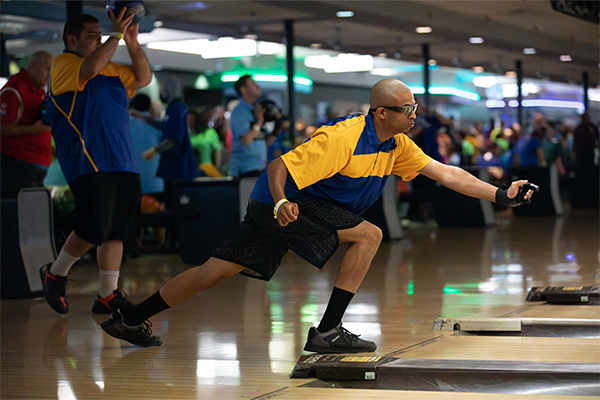
Youth bowling competitions are an exciting and dynamic way to foster skill development, sportsmanship, and a love for the game among young players. As more organizations and clubs recognize the benefits of getting youth involved in bowling, these competitions have become a staple in the sporting community. This guide provides a comprehensive overview of youth bowling competitions, offering insights into the structure, benefits, and essential tips for success.
The Structure of Youth Bowling Competitions
Youth bowling competitions are structured to cater to different age groups and skill levels, ensuring that each participant can compete fairly and enjoyably. Here are some common features:
- Age Divisions: Competitions often divide participants into age categories, such as under-12, under-16, and under-21, to ensure fair play.
- Skill Levels: Some tournaments categorize bowlers into novice, intermediate, and advanced levels to match competitors based on their experience and proficiency.
- Formats: Formats can vary, including singles, doubles, and team events, each with its unique set of rules and scoring systems.
- Regional and National Championships: Many events serve as qualifiers for larger competitions, such as regional or national championships, providing a pathway for young athletes to showcase their talents on bigger stages.
Benefits of Participating in Youth Bowling Competitions
Involvement in youth bowling competitions offers numerous advantages for young athletes:
- Skill Development: Regular participation helps improve technical skills, such as accuracy, consistency, and strategic planning.
- Social Interaction: Competitions provide a platform for young bowlers to meet peers with similar interests, promoting teamwork and friendship.
- Character Building: Bowling encourages qualities like patience, resilience, and the ability to handle pressure constructively.
- Path to Advanced Competitions: Successful participation can open doors to more competitive youth bowling events, allowing young athletes to advance in the sport.
Preparing for a Youth Bowling Competition
Physical and Mental Preparation
Preparation is key to performing well in any sporting event. For youth bowlers, this involves both physical and mental training:
- Consistent Practice: Regular practice sessions help develop muscle memory and improve overall performance.
- Physical Fitness: Engaging in exercises that enhance strength, flexibility, and endurance can improve a bowler’s game.
- Mental Focus: Techniques such as visualization and mindfulness can help young bowlers maintain focus and manage competition stress.
Understanding Rules and Etiquette
Familiarity with the rules and etiquette of bowling is crucial for success. Competitions often stress the importance of:
- Adhering to Rules: Understanding competition-specific rules and regulations is essential.
- Respecting Opponents: Demonstrating sportsmanship and respect for other competitors is a key aspect of the sport.
- Maintaining Equipment: Proper care of personal equipment, like bowling balls and shoes, can affect performance.
Opportunities for Growth Beyond Competitions
Youth bowling competitions can serve as a stepping stone to further opportunities in the sport:
- Scholarships: Some organizations offer scholarships to talented young bowlers, supporting their educational and athletic pursuits.
- Professional Pathways: Successful youth bowlers may progress to collegiate bowling programs or even professional leagues.
- Community Involvement: Engaging in local bowling communities can lead to roles in coaching, mentoring, and organizing events.
In conclusion, youth bowling competitions offer a valuable platform for young athletes to develop essential skills, make new friends, and pursue their passion for the sport. By understanding the structure, benefits, and preparation involved, participants can maximize their experience and enjoy the numerous opportunities that competitive youth bowling presents.
About the Author

