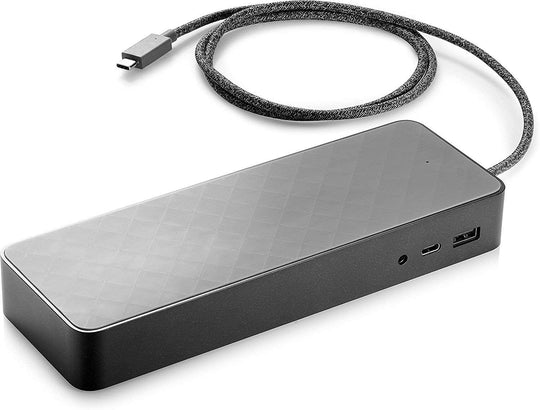
In today’s fast-paced digital world, professionals and students alike seek efficient ways to expand the functionality of their laptops. Docking stations have emerged as a popular solution, offering users the ability to connect multiple peripherals with ease. For those using HP laptops, finding the right docking station can dramatically enhance productivity and streamline connectivity. This guide delves into the myriad benefits, features, and considerations when selecting an HP laptop docking station, ensuring users make informed decisions that best suit their needs.
Benefits of Using a Docking Station
A docking station is a versatile accessory that transforms a portable laptop into a powerful desktop workstation. Here are some of the key benefits:
- Enhanced Connectivity: Connect multiple devices such as monitors, keyboards, mice, and printers simultaneously.
- Improved Ergonomics: Elevate the laptop to eye level, promoting better posture and reducing strain.
- Increased Productivity: Seamless switching between tasks with multiple screens and input devices.
- Efficient Cable Management: Reduce clutter with a single connection point for all peripherals.
Key Features to Consider
Compatibility
When choosing a hp laptop docking station, compatibility with the specific HP laptop model is crucial. Ensure the docking station supports the required ports and power specifications.
Port Selection
Different docking stations offer varying types and numbers of ports. Users should identify their connectivity needs, such as:
- USB Ports: Ensure sufficient USB-A and USB-C ports for connecting peripherals.
- Video Outputs: HDMI, DisplayPort, or VGA for multiple monitor setups.
- Ethernet Port: For stable and fast internet connectivity.
- Audio Jacks: For headphones and microphones.
Power Delivery
Some docking stations offer power delivery, allowing the laptop to charge while connected. This feature is essential for minimizing cable clutter and ensuring the laptop remains charged during extended use.
Setting Up an HP Docking Station
Setting up a docking station is usually straightforward, but following these steps can ensure optimal performance:
- Install Drivers: Check if specific drivers are required for the docking station to function efficiently.
- Connect Peripherals: Attach all necessary devices to the docking station before connecting it to the laptop.
- Adjust Display Settings: Configure monitor settings for the desired resolution and orientation.
- Test Connectivity: Ensure all connected devices are recognized and functioning correctly.
Conclusion
An HP laptop docking station is an invaluable tool for maximizing the versatility of a laptop. With careful consideration of features such as compatibility, port selection, and power delivery, users can enhance their productivity and create a more efficient workspace. For those seeking to invest in a docking station, exploring options tailored for HP laptops ensures the best fit for their technological ecosystem.
About the Author


