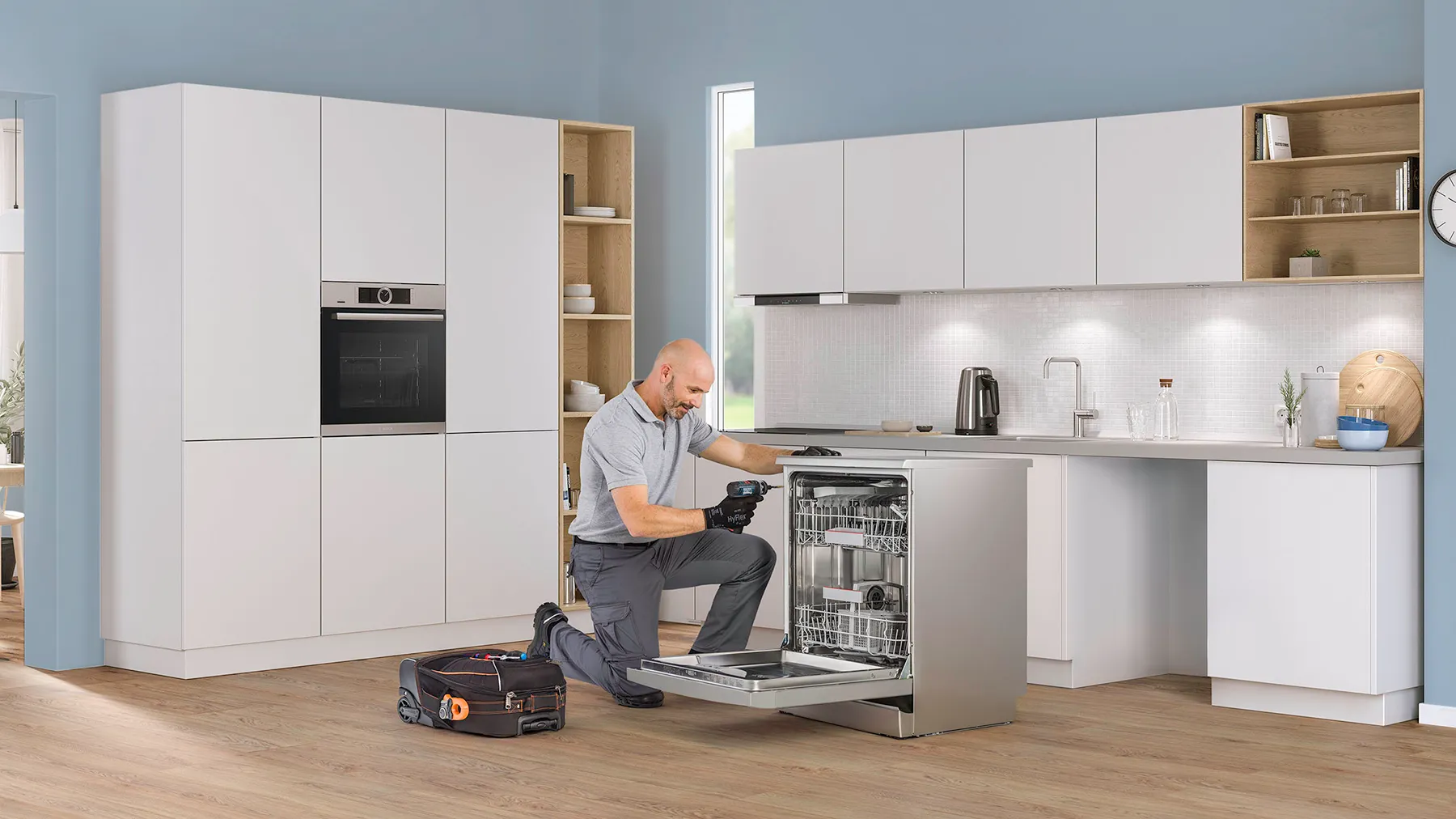
In today’s fast-paced world, home appliances play a crucial role in simplifying daily tasks. However, like any other machinery, they are prone to wear and tear. When an appliance breaks down, the initial instinct might be to call a professional, but many repairs can be handled at home with the right approach and tools. Understanding the basics of DIY appliance repairs can save time, money, and provide a sense of accomplishment. This guide will walk you through essential tips and insights to tackle common appliance issues effectively.
Understanding Your Appliances
Before diving into the repair process, it”?s important to understand the basic functionality of home appliances. Each device, whether it”?s a refrigerator, washing machine, or microwave, has unique components and mechanisms.
Common Components
- Motors and Fans: Key in machines like washing machines and dryers, motors are responsible for creating movement.
- Thermostats and Sensors: Essential for temperature regulation in appliances such as ovens and refrigerators.
- Valves and Pumps: Found in dishwashers and washing machines, these control water flow and pressure.
Essential Tools for DIY Repairs
Having the right tools on hand is crucial for any DIY project. Here are some essentials:
- Screwdrivers: Different sizes and types, such as Philips and flat-head, are necessary for opening panels and securing screws.
- Multimeter: A device to measure voltage, resistance, and current, helping to diagnose electrical issues.
- Wrench Set: Used for loosening and tightening nuts and bolts.
- Pliers: Handy for gripping, twisting, or cutting wires.
Step-by-Step Guide to Common Repairs
Tackling common appliance issues can be straightforward with the right approach. Here are some typical problems and how to address them:
Refrigerator Not Cooling
- Check the thermostat settings and ensure they are correctly set.
- Inspect the condenser coils for dust and debris build-up and clean if necessary.
- Verify the door seals for any gaps or damages that might lead to air leakage.
- Ensure the refrigerator is not overloaded, obstructing airflow.
Washing Machine Not Draining
- Examine the drain hose for blockages or kinks that could impede water flow.
- Check the pump filter for debris that might be causing a clog.
- Inspect the door latch to ensure it is functioning correctly.
For more specialized guidance, consider exploring more detailed resources on appliance repairs to enhance your understanding.
Safety First
Safety should always be a priority when performing any DIY repair task. Keep these safety tips in mind:
- Always unplug the appliance before starting any repair to prevent electric shock.
- Use appropriate protective gear, such as gloves and goggles, to protect against sharp edges and debris.
- Make sure to thoroughly read the appliance’s manual for specific safety instructions.
- If unsure about a repair, it might be best to consult or hire a professional to avoid potential hazards.
When to Call a Professional
While many appliance issues can be resolved independently, some problems require professional expertise. Consider reaching out to an expert if:
- The repair involves complex electrical or gas connections.
- Specialized tools or parts are required that are not readily available.
- The issue persists despite repeated DIY attempts.
Professional appliance repairs can ensure the safety and longevity of your appliances.
About the Author


