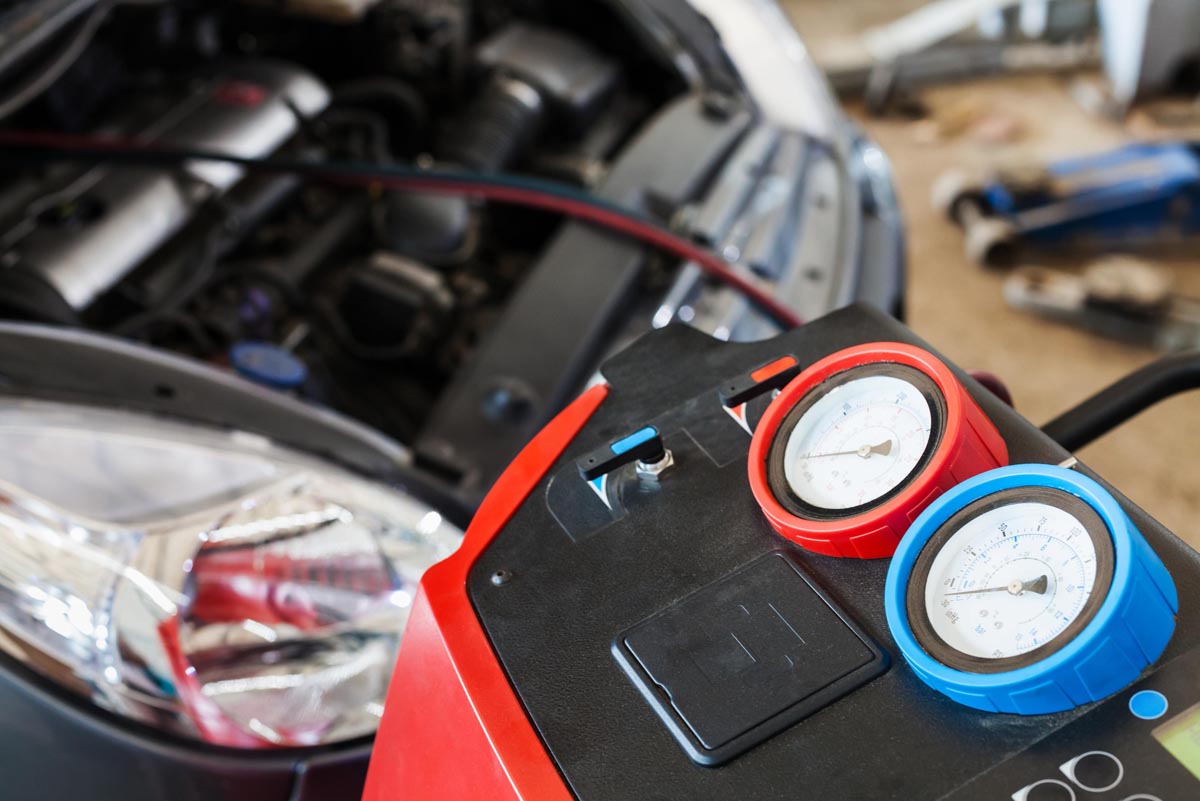
When the summer heat is relentless, a well-functioning car air conditioning (AC) system is not just a luxury ? it’s a necessity. The comfort and safety of a vehicle’s occupants can be significantly impacted by the effectiveness of the AC system. Understanding the basics of car AC repair can help vehicle owners maintain a comfortable environment in their vehicle, ensure component longevity, and save on extensive repair costs. This guide provides essential insights into maintaining and repairing vehicle air conditioning systems.
Understanding the Basics of Car AC Systems
A car’s air conditioning system is more complex than it may seem. It consists of several critical components, each playing a vital role in cooling the interior of the vehicle. Understanding these components can help in diagnosing issues and communicating effectively with a technician.
- Compressor: Often referred to as the heart of the AC system, the compressor circulates refrigerant through the system.
- Condenser: This component dissipates heat from the refrigerant, allowing it to cool and turn back into a liquid.
- Evaporator: Located inside the vehicle, the evaporator absorbs heat from the interior air, cooling it before it is blown back into the cabin.
- Expansion Valve or Orifice Tube: This part regulates the flow of refrigerant into the evaporator.
- Receiver-Drier or Accumulator: These components remove moisture from the refrigerant, preventing freezing and corrosion.
Common Car AC Problems and Solutions
Identifying and addressing issues early can prevent more severe damage and costly repairs. Here are some common problems and their potential solutions:
- Weak Airflow: This could be due to a faulty blower motor, mold in the evaporator case, or a blocked air intake. Regular maintenance checks can prevent these issues.
- Warm Air: If the AC is blowing warm air, it might be due to a refrigerant leak or an electrical issue. Explore advanced guides and tips to troubleshoot these concerns.
- Unpleasant Odors: Foul smells often result from mold or mildew buildup in the evaporator case. Regular cleaning can mitigate this issue.
- Noisy AC Operation: Unusual noises may indicate a failing compressor or debris in the blower fan. Professional diagnostics can effectively resolve these issues.
Preventive Maintenance Tips
Regular Inspections
Consistent inspections can help identify potential problems before they become serious. Here are some tips for maintaining your car’s AC system:
- Check the refrigerant level and recharge if necessary.
- Inspect the AC compressor and other components for wear and tear.
- Replace the cabin air filter regularly to ensure clean air circulation.
- Run the AC system periodically during colder months to keep the compressor in good condition.
- Keep the evaporator and condenser clean and free of debris.
Regular maintenance can prevent most common issues and ensure optimal performance. Learn about our tailored solutions for detailed inspection routines.
When to Seek Professional Help
While some AC issues can be resolved with basic maintenance, certain problems require professional intervention. Indicators that it’s time to consult a professional include:
- Persistent refrigerant leaks.
- Electrical issues impacting system performance.
- Continuous loud noises from the AC system.
- Non-responsive AC controls.
For complex issues, discover expert strategies here to address and repair your car’s AC system effectively.
Conclusion
Maintaining a car’s air conditioning system is crucial for the comfort and health of its occupants. By understanding the system’s components, recognizing common issues, and adhering to routine maintenance, vehicle owners can enjoy a comfortable driving experience year-round. For further detailed guidance and professional services, find out more about this approach to car AC repair and maintenance.
About the Author