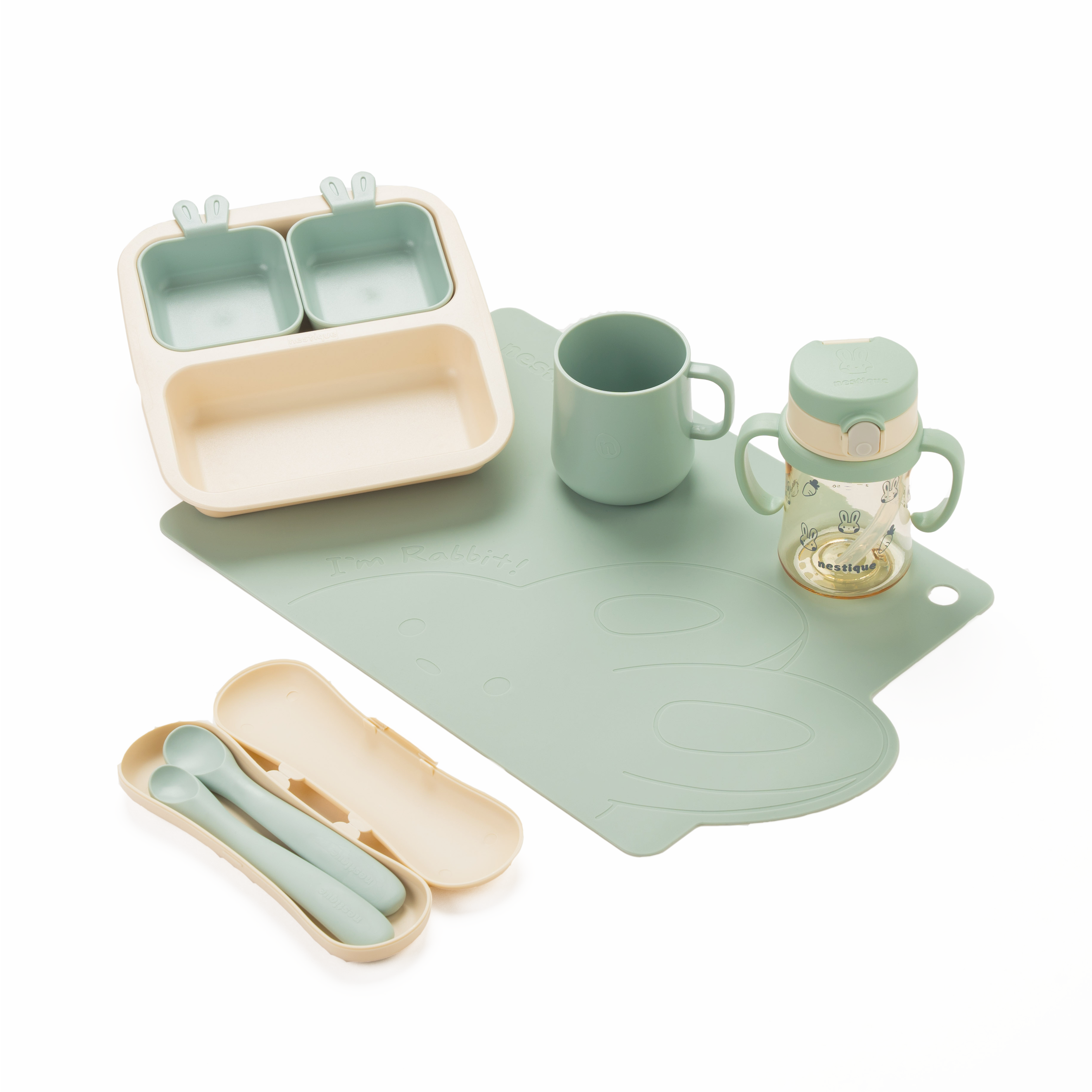
In recent years, the shift towards more sustainable and eco-friendly products has become a significant trend, especially in the realm of baby products. Among these, bioplastic baby tableware has garnered considerable attention. As parents become increasingly conscious of the materials they introduce to their children, bioplastic offers a compelling, green alternative to traditional plastic. This guide explores everything you need to know about bioplastic baby tableware, offering insights into its benefits, the materials used, and how to make informed choices for your family.
What is Bioplastic?
Bioplastic is a type of plastic derived from renewable biomass sources, such as vegetable fats, oils, corn starch, or microbiota. Unlike conventional plastics, which are derived from petroleum, bioplastics offer a more sustainable production method that reduces reliance on fossil fuels.
Benefits of Bioplastic Baby Tableware
- Eco-friendly: Bioplastics are biodegradable, meaning they break down more easily in the environment compared to traditional plastics.
- Non-toxic: Many bioplastics are free from harmful chemicals such as BPA, phthalates, and PVC, making them a safer choice for children.
- Renewable resources: Since bioplastics are made from plant-based materials, they help reduce the carbon footprint associated with plastic production.
- Durability: High-quality bioplastics can be just as durable as their conventional counterparts, ensuring that products remain practical and long-lasting.
Choosing the Right Bioplastic Tableware
When selecting bioplastic tableware for babies, certain factors should be taken into consideration to ensure both safety and functionality. Here are some key points to consider:
- Check for Certification: Ensure the product is certified by relevant authorities to confirm it meets safety standards.
- Understand the Material: Different bioplastics have varying properties. It?s important to understand whether the tableware is entirely compostable or partially biodegradable.
- Durability and Design: Look for products that are robust and designed with children in mind, featuring easy-to-grip handles and stable bases.
- Dishwasher Safe: For convenience, opt for products that can withstand the heat and pressure of a dishwasher cycle.
To make informed decisions about bioplastic baby tableware, find out more about this approach and explore products that meet high sustainability standards.
Popular Bioplastic Materials
Polylactic Acid (PLA)
PLA is one of the most common bioplastics used in baby products. It is made from fermented plant starch (usually corn), making it a renewable and compostable option. PLA is known for its clarity and gloss, making it aesthetically pleasing while being functional.
Starch-based Bioplastics
These bioplastics are derived from the starch of crops like potatoes and maize. They are often blended with other biopolymers to enhance their properties, such as flexibility and strength, making them suitable for various tableware applications.
Polybutylene Succinate (PBS)
PBS is a biodegradable plastic with excellent thermal and mechanical properties. It is suitable for high-temperature applications, which is ideal for items like baby bowls and plates that may need to endure heat from food or dishwashers.
To delve deeper into the materials and their applications, explore advanced guides and tips on bioplastic solutions.
Conclusion
As the demand for sustainable products continues to rise, bioplastic baby tableware presents a viable and responsible option for eco-conscious parents. By choosing products made from renewable resources, families can contribute positively to environmental conservation while ensuring the safety and well-being of their children. For those interested in making the switch, discover expert strategies here to select the best options available in the market.
About the Author