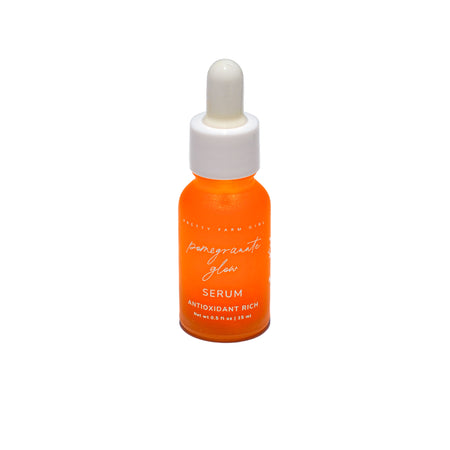
The importance of sun protection cannot be overstated, especially when it comes to facial care. As skin is the body’s largest organ, safeguarding it from harmful UV rays is crucial to maintaining both health and aesthetics. Natural sunscreens have emerged as a preferred choice for those seeking effective facial protection without the potential side effects of chemical ingredients. This guide explores the essentials of all natural facial sunscreens, highlighting their benefits, key ingredients, and application tips.
Benefits of Using All Natural Sunscreen for Face
Natural sunscreens offer numerous advantages over their chemical counterparts. Here are some key benefits:
- Reduced risk of skin irritation and allergies due to the absence of synthetic chemicals.
- Biodegradable and environmentally friendly, reducing ecological impact.
- Rich in antioxidants, which help in combating free radicals and preventing premature aging.
- Effective for sensitive skin types, including those prone to acne and rosacea.
Discover expert strategies here to enhance your skincare routine with natural protection solutions.
Key Ingredients in Natural Sunscreens
When selecting a natural sunscreen, certain ingredients are pivotal to ensuring effective protection and skin health.
Zinc Oxide and Titanium Dioxide
These minerals act as physical barriers against UV rays. Unlike chemical sunscreens that absorb the rays, these ingredients reflect them away from the skin.
Botanical Oils and Extracts
Ingredients such as jojoba oil, coconut oil, and pomegranate extract not only provide additional moisture but also enhance the skin’s natural barrier against environmental stressors.
Shea Butter and Aloe Vera
These natural emollients are renowned for their soothing properties, offering hydration and calming effects to the skin, making them ideal for daily use.
Learn about our tailored solutions featuring these premium ingredients.
Application Tips for Optimal Protection
To maximize the efficacy of your natural sunscreen, consider the following application tips:
- Apply a generous amount to all exposed areas of the face, ensuring even coverage.
- Reapply every two hours, or immediately after swimming, sweating, or towel drying.
- Use year-round, regardless of the weather, as UV rays can penetrate clouds.
- Combine with other protective measures such as wearing hats and sunglasses.
Explore advanced guides and tips to perfect your sun protection regimen.
Understanding SPF and Its Importance
SPF, or Sun Protection Factor, measures how well a sunscreen protects against UVB rays, the primary cause of sunburn. Here’s what to consider:
- SPF 30 blocks approximately 97% of UVB rays, while SPF 50 blocks about 98%.
- Higher SPF values offer slightly more protection but should not encourage prolonged sun exposure.
- Choose a broad-spectrum formula to protect against both UVA and UVB rays.
Find out more about this approach to ensure comprehensive sun safety.
Incorporating an all natural sunscreen into your daily skincare routine is a proactive step toward maintaining long-term skin health. By selecting products that align with your specific skin type and lifestyle, you can enjoy the sun safely and sustainably. Whether exploring botanical ingredients or understanding SPF levels, an informed approach to sun care is essential for radiant and healthy skin.
About the Author

