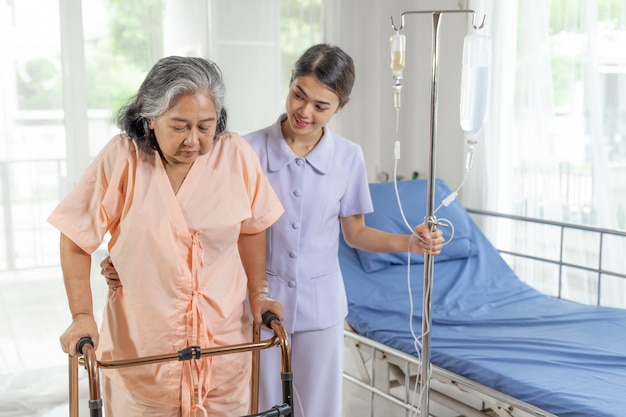
As individuals age, their needs evolve, often requiring increased support and care. This transition can be challenging for both the elderly and their families, prompting them to explore various care options. One increasingly popular choice is live-in care, which offers numerous benefits for elderly loved ones. This type of care provides a personalized and compassionate solution that allows seniors to remain in the comfort of their own homes while receiving the attention and assistance they require. Here, the advantages of live-in care for elderly individuals will be explored, demonstrating how this option can enhance their quality of life.
Personalized Attention and Care
One of the most significant benefits of live in care is the personalized attention that caregivers can provide. Unlike in a residential care facility where staff must attend to multiple residents, live-in caregivers focus solely on the individual they are caring for. This singular focus allows for:
- Customization of daily routines to suit personal preferences and needs.
- Immediate response to any health changes or emergencies.
- Companionship that helps reduce feelings of loneliness and isolation.
Familiar Environment and Comfort
Remaining in a familiar environment can have a profound impact on the well-being of elderly individuals. Home surroundings offer comfort, security, and a sense of continuity with their past. Live-in care enables seniors to:
- Maintain their daily routines and hobbies.
- Stay connected with their community and neighbors.
- Enjoy the comfort of personal belongings and memories.
Impact on Mental Health
The psychological benefits of staying at home cannot be overstated. Familiar surroundings can help reduce anxiety and confusion, particularly for those with cognitive impairments. This aspect of elderly respite care offers a sense of stability that is crucial for mental health.
Enhanced Safety and Health Monitoring
Safety is a primary concern when caring for elderly loved ones. With live-in care, seniors benefit from continuous supervision, which significantly reduces the risk of accidents and falls. Caregivers are trained to:
- Identify potential hazards in the home and implement necessary safety measures.
- Monitor health conditions and administer medications as prescribed.
- Provide mobility assistance to prevent injuries.
Cost-Effective and Flexible Care Solutions
While residential care homes can be expensive, live-in care offers a cost-effective alternative without compromising on the quality of care. Families can choose from various packages and schedules to suit their specific needs and budget. Options such as domiciliary care provide additional flexibility, allowing for tailored solutions that can adapt to changing circumstances.
Conclusion
Live-in care offers a unique and comprehensive approach to caring for elderly loved ones. By providing personalized attention, maintaining familiar surroundings, enhancing safety, and offering flexible care solutions, it addresses the diverse needs of seniors. Families seeking a compassionate and effective care option for their elderly relatives will find live-in care a viable and beneficial choice. Through thoughtful consideration and planning, live-in care can significantly enhance the quality of life for seniors, ensuring they receive the dignity and respect they deserve in their golden years.
About the Author


