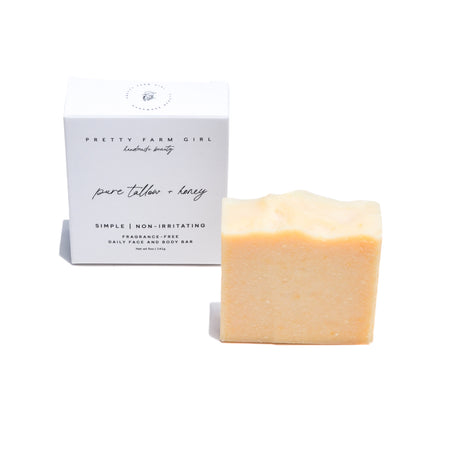
Creating homemade soap has become a cherished hobby for many, offering a rewarding blend of creativity and practicality. Among the various types of soap, tallow soap holds a special place due to its rich history and exceptional benefits. Tallow, derived from rendered beef or mutton fat, has been used for centuries to craft soaps that are nourishing, long-lasting, and environmentally friendly. This article delves into the art of crafting tallow soap at home, providing a comprehensive guide for both beginners and seasoned soap makers.
Understanding Tallow Soap
Tallow soap is renowned for its moisturizing properties and ability to create a hard, long-lasting bar. The fatty acids present in tallow contribute to a rich, creamy lather that feels luxurious on the skin. For those interested in exploring other traditional soap varieties, goat milk soap offers similar nourishing benefits.
Benefits of Tallow Soap
- Rich in vitamins A, D, E, and K, which are beneficial for skin health.
- Creates a hard bar that lasts longer compared to other types of soap, such as goat milk soap bar.
- Produces a creamy, stable lather that enhances the cleansing experience.
- Contains naturally occurring antioxidants that can help protect the skin.
- Is biodegradable and environmentally friendly, aligning with sustainable living practices.
Materials and Ingredients
Before embarking on the soap-making journey, it’s vital to gather all necessary materials and ingredients. The following list outlines the essentials required for crafting beef tallow soap:
- Tallow: The primary fat component. Rendered beef or mutton fat is most commonly used.
- Lye (Sodium Hydroxide): An essential component in soap making that transforms fats into soap through saponification.
- Distilled Water: Used to dissolve lye and facilitate the chemical reaction.
- Essential Oils: Optional, but they add fragrance and additional skin benefits.
- Soap Mold: Silicone molds are recommended for easy release of the finished soap.
- Safety Gear: Gloves and goggles to protect against lye burns.
Crafting Process
Step 1: Preparing Tallow
The initial step in crafting tallow soap involves preparing the tallow by rendering it. This process involves heating the fat to remove impurities, resulting in a clean, white tallow suitable for soap making.
Step 2: Making the Lye Solution
Carefully dissolve the lye in distilled water, ensuring to add lye to water and not the other way around to prevent a dangerous reaction. This mixture will reach high temperatures, so it’s essential to allow it to cool before proceeding.
Step 3: Combining Ingredients
Once the lye solution has cooled, gently heat the tallow until it is liquid. Combine the lye solution with the melted tallow, stirring until the mixture reaches “trace” “? the point where the soap begins to thicken and hold a pattern.
Step 4: Adding Fragrance and Molding
At trace, add essential oils for fragrance if desired. Pour the mixture into the soap mold and allow it to set for 24 to 48 hours.
Step 5: Curing the Soap
Once the soap has hardened, remove it from the mold and cut it into bars. Allow the soap to cure for 4 to 6 weeks, during which time it will harden further and any residual lye will neutralize.
Conclusion
Crafting tallow soap at home is a rewarding endeavor that combines creativity with functionality. The resulting soap bars are not only beneficial for the skin but also embody a tradition of sustainable and natural living. For those interested in exploring other traditional soap options, the best goat milk soap offers a similarly enriching experience, enhancing the diversity of homemade skincare products.
About the Author


