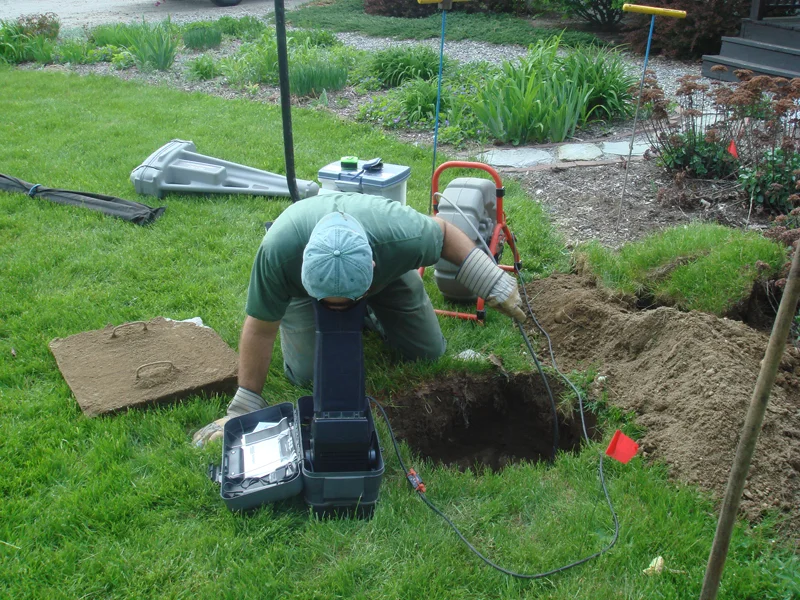
Septic systems play a crucial role in managing waste for many homes and businesses, especially those located in rural areas. Unlike centralized sewer systems, septic systems require individual maintenance and oversight to ensure they function effectively. One of the most critical components of septic system maintenance is routine inspection. Regularly scheduled inspections can help identify potential problems before they escalate into costly repairs or replacements. By understanding the importance of these inspections and how they contribute to the health and longevity of a septic system, property owners can save time, money, and hassle.
The Importance of Routine Septic Inspections
Routine septic inspections are essential for maintaining the health and efficiency of a septic system. These inspections offer several benefits, including:
- Early Detection of Issues: Regular inspections can spot early signs of problems, such as leaks or blockages, allowing for timely intervention before they become serious.
- Cost Savings: By identifying and addressing issues early, property owners can avoid expensive repairs or system replacements.
- Compliance with Regulations: Many local jurisdictions require regular septic inspections to ensure systems comply with health and environmental regulations.
- Environmental Protection: A well-maintained septic system prevents contamination of local water sources, safeguarding the environment.
What to Expect During a Septic Inspection
Understanding what occurs during a septic inspection can help property owners prepare for the process and know what questions to ask the inspector. Here are some key components of a typical septic inspection:
Visual Assessment
An inspector will begin with a visual assessment of the area surrounding the septic tank and drain field. This involves checking for signs of leaks, such as unusually lush vegetation or standing water, which could indicate system failure.
Tank Inspection
The inspector will locate and open the septic tank lid to examine the condition of the tank. This includes measuring the levels of sludge and scum to determine if the tank needs pumping.
System Components Check
The inspector will also check all system components, including the baffles, filters, and pump (if applicable), to ensure they are functioning properly. This step is crucial for preventing clogs and other operational issues.
Report and Recommendations
After the inspection, the inspector will provide a detailed report outlining the findings and any recommended actions. This report serves as a valuable resource for maintaining the system’s health and efficiency.
For more information on what a comprehensive inspection includes, visit the septic inspection services? page.
Scheduling and Frequency of Inspections
Determining the appropriate frequency for septic inspections depends on several factors, including the system’s age, usage, and size. General guidelines suggest:
- Every 1-3 Years: Routine inspections should occur every one to three years for most systems.
- High Usage Systems: Systems with higher usage, such as those in large households or commercial properties, may require more frequent inspections.
- Older Systems: Older systems may necessitate more frequent checks to ensure continued reliability.
Property owners are encouraged to explore customer experiences to determine the quality of service. See what others are saying about us to gain insights from those who have prioritized regular inspections.
Conclusion: Protect Your Investment
Routine septic inspections are an integral part of maintaining a safe and efficient waste management system. By staying proactive with inspections, property owners can protect their investment, ensure compliance with regulations, and contribute to environmental conservation. For those seeking reliable inspection services, visiting the septic inspection services? page can provide valuable information and guidance. As the saying goes, an ounce of prevention is worth a pound of cure, and this is certainly true when it comes to septic system maintenance.
About the Author