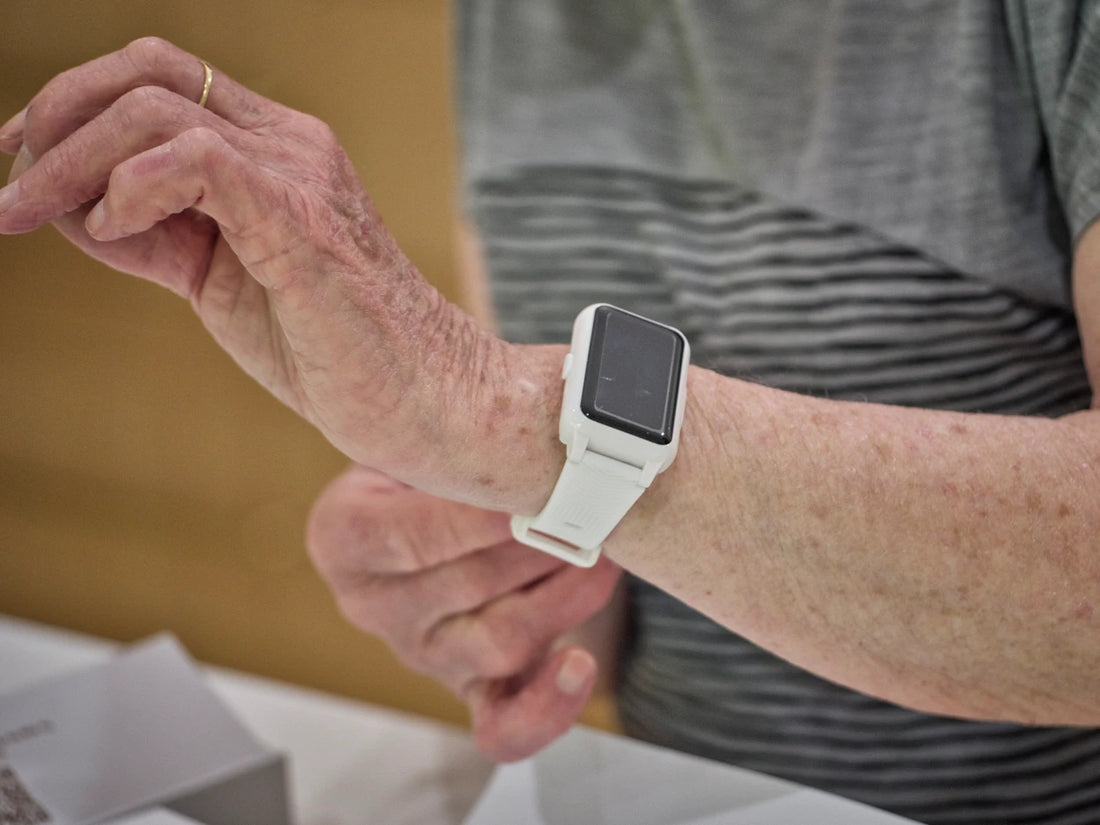
Ensuring the safety and well-being of seniors living independently has become a priority for many families. As loved ones age, it?s vital to implement systems that provide peace of mind while respecting their independence. Setting up a senior alert system at home is a proactive approach that combines technology with caregiving. These systems can detect emergencies, notify caregivers, and sometimes prevent accidents before they occur. Integrating an alert system into a senior’s home involves understanding their specific needs, choosing suitable technology, and ensuring easy access and use. This article aims to guide you through the process of establishing a reliable senior alert system in a home setting.
Understanding the Need for a Senior Alert System
Senior alert systems are crucial for enhancing the safety of elderly individuals who live alone or spend extended periods by themselves. Such systems are designed to provide rapid response in case of emergencies, such as falls or sudden health issues. Understanding the individual needs of the senior in question is the first step in setting up an effective alert system.
- Identify any existing health conditions that may require immediate attention.
- Consider the senior’s daily routine and any potential risks associated with it.
- Evaluate the current living environment for safety hazards.
Read more about this topic to gain a deeper understanding of the necessity of these systems.
Choosing the Right Technology
Types of Senior Alert Systems
When selecting a senior alert system, it?s important to be aware of the various types available, each offering different features:
- Wearable Devices: These are commonly in the form of pendants or wristbands and are designed to be worn at all times. They often include automatic fall detection and GPS tracking.
- Home-Based Systems: These systems are typically installed in the home and include motion sensors, cameras, and two-way communication devices that link to emergency services.
- Smartphone Apps: For tech-savvy seniors, smartphone apps can provide alerts and GPS tracking, integrating seamlessly with existing devices.
Explore further insights here to determine which technology might be most suitable for your needs.
Features to Consider
When selecting an alert system, consider the following features to ensure comprehensive coverage and ease of use:
- Ease of setup and operation
- Waterproof and durable design
- Long battery life
- 24/7 monitoring services
- Two-way communication capabilities
- Integration with other smart home devices
Learn more in this detailed guide about the specific features to look for in a senior alert system.
Installation and Maintenance
Proper installation and regular maintenance are crucial for the effectiveness of a senior alert system. Here are some steps to follow:
- Ensure devices are installed in areas with the highest risk of accidents, such as bathrooms and staircases.
- Test the system regularly to confirm it is functioning correctly.
- Provide clear instructions and training to the senior on how to use the system.
- Schedule regular maintenance checks to troubleshoot any technical issues.
Find additional information here on how to maintain and troubleshoot senior alert systems effectively.
Conclusion
Setting up a senior alert system at home involves careful planning and understanding of the specific needs of the elderly individual. By choosing the right technology and ensuring proper installation, families can significantly enhance the safety and security of their loved ones. It is essential to stay informed about the latest advancements in senior care technology to continuously improve the quality of life for seniors. To further explore the various options and considerations, visit this comprehensive resource on senior alert systems.
About the Author

