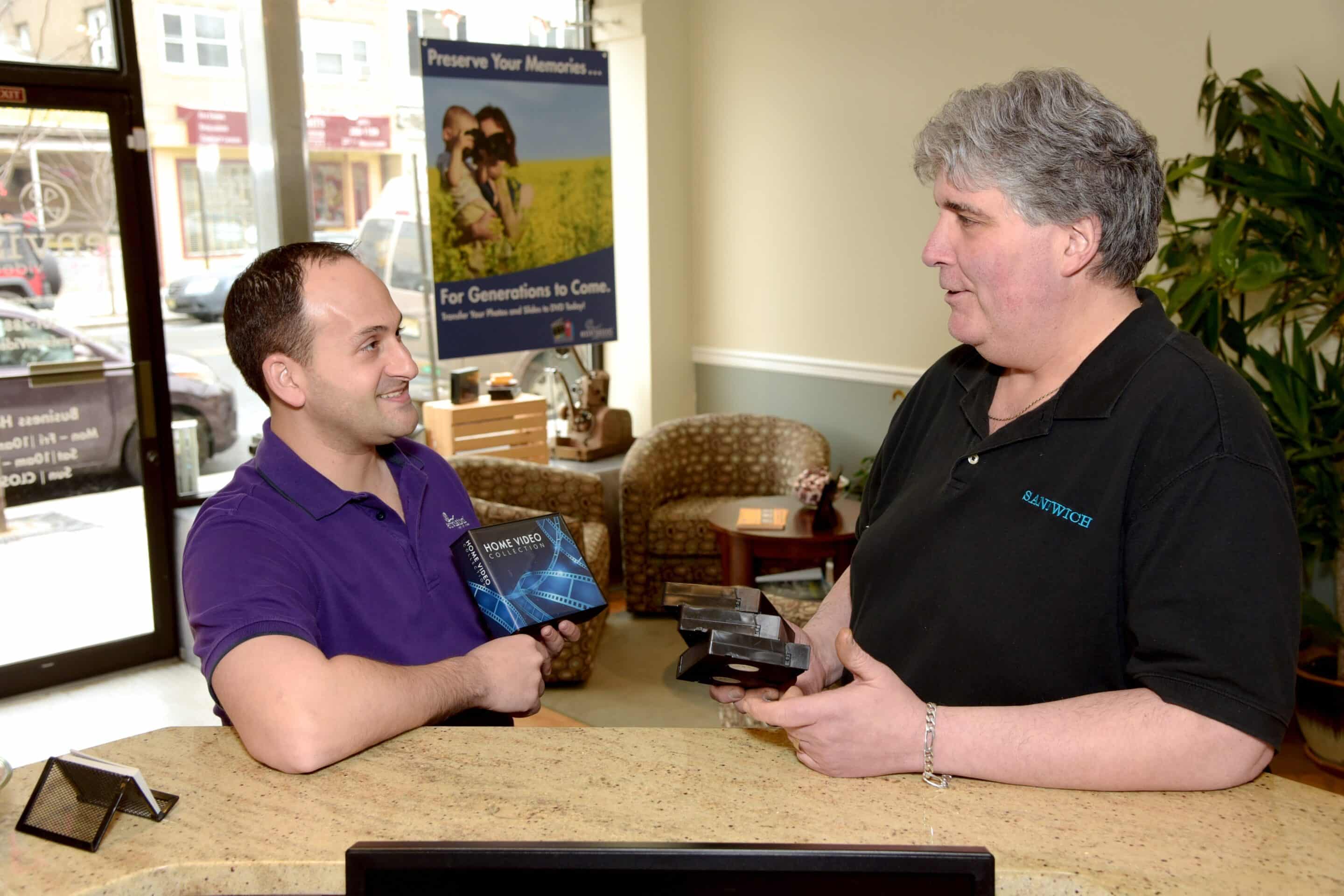
In the age of digital transformation, many people find themselves with boxes of old film negatives gathering dust in their attics or basements. While these negatives preserve precious memories, they are often challenging to view and share. The solution is clear: converting film to digital format. This transition not only safeguards memories against degradation but also makes them easily accessible, shareable, and enjoyable for generations to come.
The Benefits of Film to Digital Conversion
Converting film to a digital format offers numerous advantages. Here are some compelling reasons to consider this option:
- Preservation: Digital files do not degrade over time, unlike physical film that can succumb to environmental factors such as humidity and temperature fluctuations.
- Accessibility: Digital files can be accessed and viewed on a variety of devices including computers, tablets, and smartphones.
- Sharing: Easily share your digital files with family and friends through email, social media, or cloud storage.
- Space-saving: Digital files take up no physical space, freeing up room in your home.
- Enhanced Quality: Professional conversion services often include options for enhancing the quality of the film, improving color, contrast, and sharpness.
Understanding the Conversion Process
The process of converting film to digital format involves several steps. Each step requires careful handling to ensure the integrity of the original material. Here’s a brief overview:
Preparation
Before any conversion can take place, the negatives must be cleaned and assessed. This involves: – Removing dust and debris from the negatives. – Evaluating the condition of the film to determine the best conversion method.
Scanning
The core of the conversion process is scanning. High-resolution scanners are used to capture every detail of the original film. This step may include: – Choosing the appropriate settings for resolution and color depth. – Using advanced software to correct any imperfections in the scan.
Post-Processing
Once the film is scanned, the digital files undergo post-processing. This involves: – Adjusting color balance and exposure. – Cropping and rotating images to correct orientation. – Repairing any visible damage or blemishes.
Choosing a Professional Film to Digital Service
When considering a film to digital service, it’s essential to select a provider with the right expertise and equipment. Here are some tips to guide your decision:
- Experience: Look for a service with a proven track record in film conversion.
- Technology: Ensure they use modern, high-resolution scanners and software.
- Customization: A good service will offer options to tailor the conversion to your specific needs.
- Customer Reviews: Check online reviews to gauge the satisfaction of past clients.
- Cost: While price is important, it should not be the sole deciding factor. Balance cost with quality and reliability.
Embracing the Digital Age
Transitioning from film to digital is a step towards preserving the past while embracing the future. By converting film negatives to digital files, memories are safeguarded and revitalized, ready to be enjoyed and cherished anew. This process ensures that the stories captured in each frame continue to be part of family narratives for years to come. Moving forward, it’s important to consider how digital files will be stored and backed up. Utilizing cloud services or external hard drives can provide additional layers of protection against data loss. As technology continues to evolve, maintaining digital archives will ensure that these memories remain part of the digital landscape, accessible and vibrant for future generations. The journey from dusty negatives to crisp digital images is one worth taking, guaranteeing that the cherished moments of the past remain an enduring part of the present.
About the Author