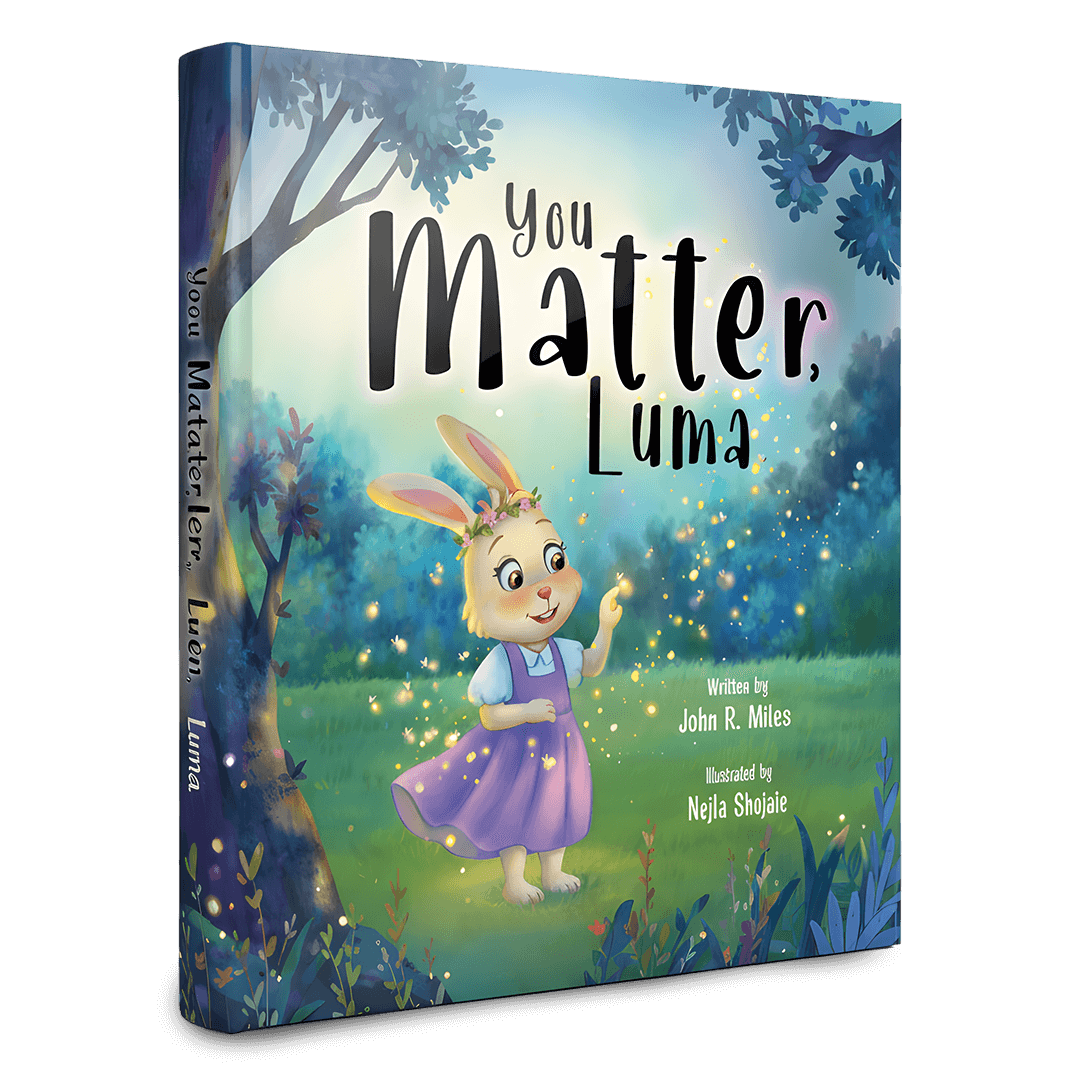
In today’s fast-paced world, fostering emotional wellbeing in children is more important than ever. As they navigate the complexities of growing up, children are often faced with a myriad of emotions that can be overwhelming. Picture books serve as an invaluable resource in helping children understand and articulate their feelings. These books are not only tools for storytelling but also key players in the emotional development of young minds. They provide a platform where children can explore emotions safely and learn effective coping mechanisms. With a focus on nurturing emotional intelligence, picture books can guide children towards healthier emotional responses and improved mental health.
The Role of Picture Books in Emotional Development
Picture books are more than just colorful illustrations and stories. They play a crucial role in shaping a child’s emotional landscape by:
- Providing relatable scenarios that allow children to see their feelings reflected in the characters.
- Offering vocabulary for expressing emotions that children might otherwise struggle to articulate.
- Encouraging empathy by helping children understand and feel the emotions of others.
- Creating a safe space for children to discuss their feelings with adults.
By engaging with picture books that focus on emotional wellbeing, children learn valuable lessons about self-awareness and empathy. Discover expert strategies here.
Choosing the Right Picture Books
Selecting the appropriate picture books is essential in effectively nurturing emotional wellbeing. Considerations include:
- Age-appropriateness: Books should match the child’s developmental stage to ensure comprehension and relatability.
- Emotional themes: Choose books that cover a range of emotions, from happiness and excitement to sadness and anger.
- Diversity and inclusivity: Opt for books that represent a variety of cultures and experiences to broaden the child’s understanding of the world.
- Illustrative quality: Engaging illustrations help to maintain interest and convey complex emotions effectively.
For a comprehensive selection of picture books tailored to different emotional needs, learn about our tailored solutions.
Incorporating Picture Books into Daily Routines
Integrating picture books into children’s daily routines can enhance their emotional literacy and create lasting habits of self-reflection. Here are some suggestions:
- Read together daily, using the stories as a springboard for conversations about emotions and personal experiences.
- Encourage children to express how they feel about the stories and relate them to their own lives.
- Use the themes in the books to discuss real-life situations, helping children apply what they learn.
Explore advanced guides and tips on incorporating picture books into your child’s routine here.
Benefits of Picture Books in Emotional Wellbeing
The benefits of using picture books to nurture emotional wellbeing in children are vast. They include:
- Improved communication skills: Children learn new words and ways to express their feelings.
- Enhanced empathy: Understanding characters’ emotions can extend to real-world empathy and social skills.
- Better emotional regulation: Children can learn strategies for managing their emotions effectively.
- Strengthened parent-child relationships: Shared reading time fosters bonding and trust.
To find out more about this approach to emotional development, click here.
About the Author