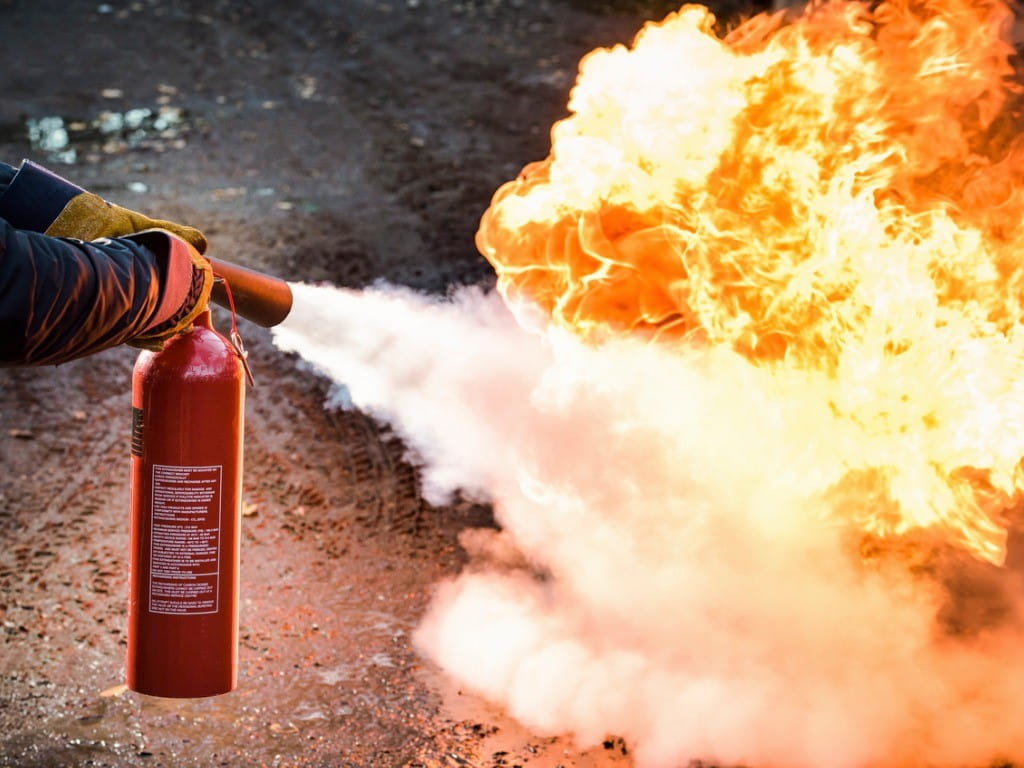
Selecting the right fire extinguisher for your building is a critical safety decision that should not be taken lightly. Each type of fire extinguisher is designed to combat specific classes of fire, and understanding these distinctions is essential in ensuring the optimal protection for your property and the safety of its occupants. A thorough evaluation of the building’s environment and potential fire risks is necessary to make an informed choice.
Explore advanced guides and tips.
Understanding Fire Classes
Fire extinguishers are categorized by the types of fires they are designed to combat. It is crucial to identify the fire classes that are most likely to occur in your building environment:
- Class A: Fires involving ordinary combustibles like wood, paper, and cloth.
- Class B: Fires fueled by flammable liquids, such as gasoline, oil, and paint.
- Class C: Fires involving energized electrical equipment.
- Class D: Fires involving combustible metals like magnesium and titanium.
- Class K: Fires in cooking appliances that involve cooking oils and fats.
Understanding these classes helps in selecting the appropriate extinguisher.
Find out more about this approach.
Types of Fire Extinguishers
Water Extinguishers
Suitable primarily for Class A fires, water extinguishers are effective against fires involving paper, textiles, and wood. However, they are not suitable for electrical or flammable liquid fires.
Foam Extinguishers
Foam extinguishers are versatile and can be used for Class A and B fires. They are especially effective against liquid fires by forming a blanket to suppress the flames.
Carbon Dioxide (CO2) Extinguishers
Ideal for Class B and C fires, CO2 extinguishers are highly effective in tackling electrical fires without leaving residue.
Learn about our tailored solutions.
Dry Powder Extinguishers
These are multi-purpose extinguishers that can handle Class A, B, C, and some Class D fires. They are a versatile choice for diverse environments but can leave behind a residue that may damage sensitive equipment.
Wet Chemical Extinguishers
Specifically designed for Class K fires, wet chemical extinguishers are essential in kitchens for fires involving deep fryers and other cooking appliances.
Key Considerations for Selection
When choosing fire extinguishers, several factors must be considered to ensure safety and compliance with regulations:
- Risk Assessment: Conduct a thorough risk assessment to identify potential fire hazards unique to your building.
- Building Layout: Consider the size and layout of your building to determine the number and placement of extinguishers.
- Staff Training: Ensure that staff are trained in the use of fire extinguishers and understand which type is suitable for different fire scenarios.
- Regulatory Compliance: Adhere to local fire safety regulations and standards.
Discover expert strategies here. - Maintenance: Regularly maintain and inspect extinguishers to ensure they are in good working condition.
Conclusion
Choosing the right fire extinguisher for your building is not just about compliance but about ensuring the safety of all occupants. By understanding the types of fires, the specific needs of your building, and maintaining regular training and maintenance, you can enhance your fire safety strategy effectively.
Explore advanced guides and tips.
About the Author