Sleep apnea is a common yet serious disorder that can significantly impact quality of life. Thanks to advancements in health technology, at-home sleep apnea tests have become a convenient option for individuals seeking diagnosis without the need for an overnight stay at a sleep clinic. However, to ensure the accuracy of these test results, there are several critical steps and considerations to keep in mind. This guide provides insights into how to effectively prepare for and conduct an at-home sleep apnea test, ensuring you receive the most reliable results possible.
Understanding Your Test Kit
Before starting the test, familiarize yourself with the components of the sleep apnea test kit. Most kits include:
- A nasal cannula to monitor airflow.
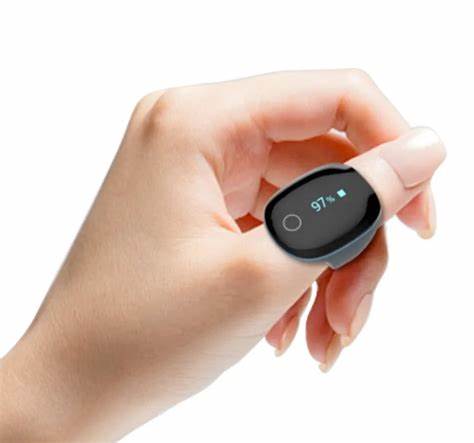
- Pulse oximeter to measure blood oxygen levels.
- Belt sensors to record breathing effort and body position.
Each device component is vital for capturing comprehensive data. Ensure that the kit is functioning correctly by checking the batteries and connections. Explore advanced guides and tips on setting up your test kit effectively.
Preparing for the Test Night
Environment Setup
Creating an optimal environment is crucial for accurate testing. Consider the following:
- Choose a quiet and comfortable room for sleeping.
- Ensure the room is dark; use blackout curtains if necessary.
- Maintain a comfortable temperature that promotes restful sleep.
It’s also important to avoid consuming caffeine or alcohol in the hours leading up to the test, as these can affect sleep patterns and potentially skew the results. Discover expert strategies here to maximize test accuracy through environmental adjustments.
Conducting the Test
Once you are ready for bed, follow these steps to conduct the test:
- Attach the nasal cannula and ensure it fits comfortably.
- Place the pulse oximeter on your finger securely.
- Wrap the belt sensors around your chest or abdomen, ensuring they are snug but not too tight.
Follow the instructions provided with your test kit carefully. If you encounter any issues or uncertainties during setup, consult the manufacturer’s guide or find out more about this approach through professional resources.
Post-Test Procedures
After completing the test, it is important to carefully remove and package the equipment as instructed. Promptly return the test kit according to the instructions provided to ensure timely analysis of your results. Many services offer online platforms where you can learn about our tailored solutions for interpreting sleep data.
Consulting with Healthcare Professionals
Once your test results are available, consultation with a healthcare provider is essential. A professional can help interpret the data and recommend further steps, which may include lifestyle changes, continuous positive airway pressure (CPAP) therapy, or other treatments if sleep apnea is diagnosed.
For those seeking a deeper understanding of sleep apnea and its implications, as well as personalized care strategies, explore advanced guides and tips available through reputed health platforms.
By following these guidelines, individuals can ensure they receive the most accurate and useful results from their at-home sleep apnea tests, paving the way for informed healthcare decisions and improved well-being.
About the Author