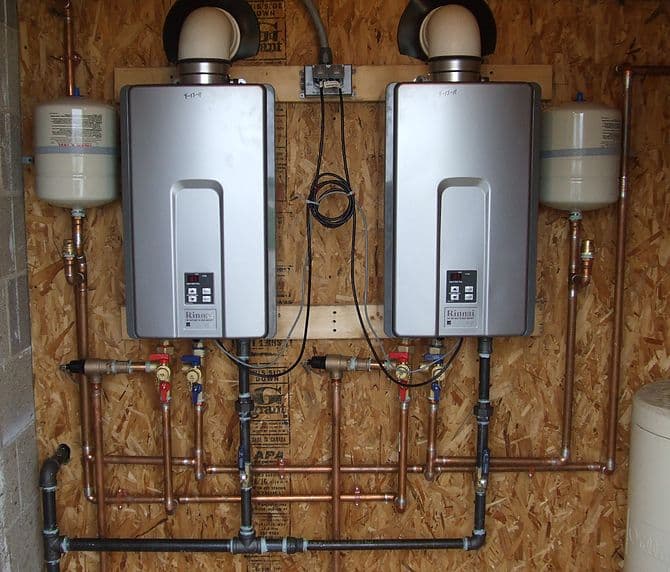
In today’s world, energy efficiency is more important than ever, and home appliances are no exception. Traditional water heaters can consume a significant amount of energy, leading to high utility bills and an increased carbon footprint. Enter the tankless water heater, a modern solution that not only provides hot water on demand but also offers substantial savings over time. This article explores how opting for a tankless water heater can be a financially savvy choice for homeowners.
Understanding Tankless Water Heaters
A tankless water heater is an appliance that heats water only when it is needed, instead of storing hot water in a tank as traditional water heaters do. This innovative approach to water heating offers several advantages:
- Energy Efficiency: With no standby heat loss, tankless water heaters are more efficient as they only heat water when required.
- Endless Hot Water: They provide a continuous flow of hot water, making them ideal for households with high water demand.
- Compact Size: Their small size allows for flexible installation options and saves space.
- Longevity: Tankless models generally have a longer lifespan compared to traditional tank heaters.
Financial Benefits of Tankless Water Heaters
Switching to a tankless water heater can result in tangible financial benefits for homeowners. Here?s how:
Reduced Energy Bills
One of the most significant advantages of tankless water heaters is their potential to lower energy consumption. Traditional water heaters maintain a constant supply of hot water, which requires continuous energy to keep the water heated even when not in use. In contrast, tankless models eliminate this wasted energy, leading to lower utility bills. According to the U.S. Department of Energy, a tankless water heater can be 24% to 34% more energy-efficient in homes that use 41 gallons or less of hot water daily.
Tax Credits and Incentives
Many governments offer tax credits and other incentives to encourage the adoption of energy-efficient appliances. Homeowners may be eligible for rebates or tax deductions when they install a tankless water heater, further reducing the overall cost. It’s advisable to check with local municipalities and utility companies for available programs.
Long-Term Savings
Although the initial investment for a tankless water heater can be higher than that for a traditional model, the long-term savings are significant. The extended lifespan of tankless heaters means less frequent replacements, which can save money in the long run. Additionally, the reduction in energy costs over the years contributes to recouping the initial investment.
Considerations When Choosing a Tankless Water Heater
When deciding to invest in a tankless water heater, a few considerations can help ensure the best choice for specific needs:
- Water Usage: Consider the household’s hot water demand to select the appropriate unit size.
- Fuel Type: Determine whether a gas or electric model is more suitable based on existing utilities.
- Installation Costs: Factor in the cost of professional installation, which may vary based on the complexity of the setup.
By carefully evaluating these factors, homeowners can maximize the benefits of their investment in a tankless water heater.
The Future of Water Heating
As technology continues to advance, tankless water heaters represent a forward-thinking choice for energy-efficient home living. Their ability to reduce energy consumption and provide reliable hot water makes them an attractive option for modern homes. For those looking to make a smart financial and environmental choice, investing in a tankless water heater can be a wise decision.
Learn more about the various types of tankless water heater options available to find the best fit for your home and lifestyle.
About the Author