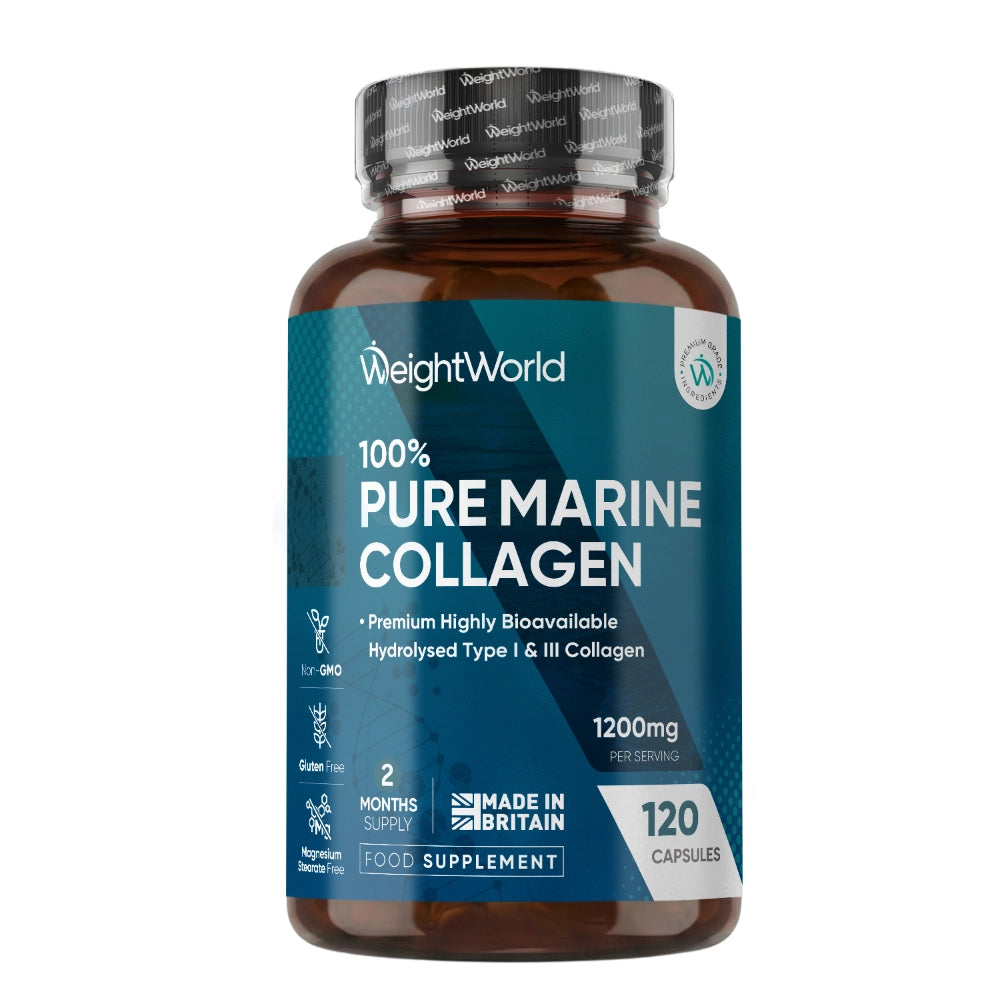
Stubborn belly fat remains one of the most challenging areas for many individuals seeking a slimmer silhouette. While diet and exercise are foundational, emerging research highlights the role of collagen supplementation in supporting fat metabolism, skin elasticity, and overall body composition. This article examines how specific collagen products can complement a comprehensive weight-management plan, focusing on the mechanisms that make them effective for targeting abdominal adipose tissue.
Understanding Collagen’s Role in Fat Reduction
Collagen is the most abundant protein in the human body, forming the structural framework for skin, joints, and connective tissue. Recent studies suggest that certain collagen peptides may influence metabolic pathways that affect fat storage, especially around the midsection.
Key Biological Mechanisms
- Improved Satiety: Collagen peptides can increase the release of peptide YY and glucagon-like peptide-1, hormones that signal fullness and reduce overall calorie intake.
- Enhanced Muscle Preservation: Adequate collagen supports lean muscle mass, which in turn raises basal metabolic rate and promotes a higher calorie burn at rest.
- Skin Tightening: As belly fat diminishes, collagen helps maintain skin elasticity, reducing the appearance of loose or sagging skin.
- Gut Health Support: Collagen provides amino acids that strengthen the intestinal lining, potentially improving nutrient absorption and reducing inflammation linked to fat accumulation.
Selecting Effective Collagen Products
Not all collagen supplements are created equal. For targeting stubborn belly fat, look for products that combine high bioavailability with specific peptide profiles. The following criteria are essential when evaluating options:
- Source: Marine-derived collagen (type I) is prized for its small peptide size, which facilitates rapid absorption.
- Purity: Products free from fillers, artificial flavors, and unnecessary additives deliver a more concentrated dose of active peptides.
- Dosage: Clinical trials typically use 10-15″?grams of collagen per day; ensure the supplement provides a comparable amount.
- Additional Ingredients: Vitamin C, hyaluronic acid, or biotin can synergistically boost collagen synthesis and skin health.
For those seeking the best collagen for belly fat, marine-based formulas that meet these standards often stand out. Likewise, athletes and fitness enthusiasts may prioritize high strength collagen products that support joint resilience during intense training.
Integrating Collagen Into a Fat-Loss Routine
Collagen supplementation works best when paired with a balanced lifestyle. Below is a practical framework for incorporating collagen into daily habits.
Morning Routine
- Mix 10″?g of collagen powder into a protein-rich smoothie or coffee.
- Include a source of vitamin”?C (e.g., citrus fruit) to aid collagen synthesis.
- Perform a 20-minute brisk walk or light cardio session to kick-start metabolism.
Mid-Day Support
- Take a second serving of collagen (capsules or powder) with lunch to maintain steady peptide levels.
- Choose a high-fiber meal to complement the satiety-enhancing effects of collagen.
Evening Recovery
- Consume collagen alongside a post-workout recovery drink containing electrolytes and branched-chain amino acids.
- Engage in gentle stretching or yoga to promote circulation and support connective tissue repair.
Potential Benefits Beyond Belly Fat
While the primary focus is abdominal fat reduction, consistent collagen intake can yield additional health advantages that indirectly support weight management.
- Joint Health: Reduced joint discomfort encourages regular exercise.
- Hair and Nail Strength: Improved keratin production contributes to overall appearance.
- Sleep Quality: Certain collagen peptides contain glycine, which may promote deeper, more restorative sleep.
Safety Considerations and Contra-Indications
Collagen is generally well-tolerated, but individuals with specific allergies or medical conditions should exercise caution.
- Allergies: Marine collagen may trigger reactions in those with fish or shellfish sensitivities.
- Medical Conditions: Consult a healthcare professional before starting supplementation if you have kidney disease or are on a protein-restricted diet.
- Pregnancy & Breastfeeding: While no adverse effects have been reported, professional guidance is recommended.
Conclusion
Effective management of stubborn belly fat requires a multifaceted approach that blends nutrition, physical activity, and targeted supplementation. High-quality marine collagen, especially formulations recognized as the best collagen for belly fat, can enhance satiety, preserve lean muscle, and improve skin elasticity, key factors that support a leaner midsection. By selecting products with proven purity, appropriate dosing, and complementary nutrients, and by integrating them into a structured daily routine, individuals can harness collagen’s unique benefits while reinforcing overall health and wellness.
About the Author