Leather goods, whether they are jackets, sofas, or car seats, are renowned for their durability and timeless appeal. However, even the finest leather is not immune to damage. Scratches, discoloration, and cracking are common issues that can diminish leather’s aesthetic. Fortunately, leather repair kits offer an accessible solution for restoring items to their former glory. This article delves into the essentials of leather repair, providing insights into how these kits work and how to select the best one for your needs.
Understanding Leather Damage
Leather’s natural composition makes it susceptible to various types of damage. Recognizing the type and extent of damage is crucial for effective repair:
- Scratches and Scuffs: Often caused by sharp objects, these are typically superficial and can be remedied with the right products.
- Discoloration: Exposure to sunlight or spills can lead to fading or staining, requiring recoloring techniques.
- Cracks: A result of dryness and lack of maintenance, cracks need more intensive treatment to repair.
Components of a Leather Repair Kit
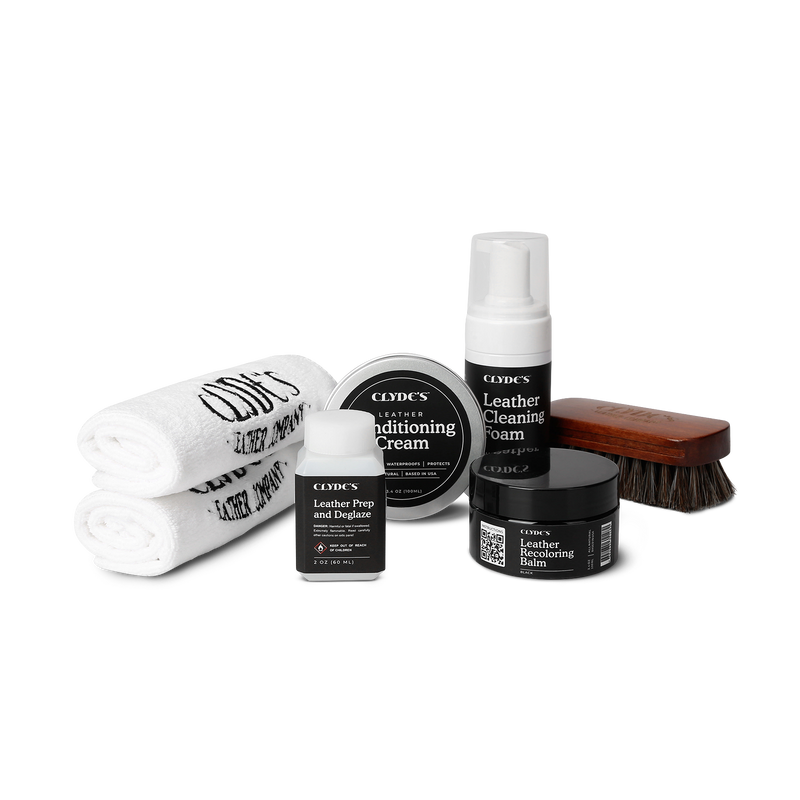
A comprehensive leather repair kit should include several key components to address various types of damage:
- Cleaning Solution: Essential for preparing the leather surface by removing dust and oils.
- Leather Filler: Used to fill in scratches and cracks, providing a smooth surface for further treatment.
- Dye/Colorant: Necessary for recoloring faded or stained areas to match the original leather color.
- Applicators: Sponges, brushes, or cloths included in the kit for applying products evenly.
- Conditioner: Helps to restore moisture and flexibility to the leather, preventing future damage.
Choosing the Right Kit for Your Needs
Selecting the appropriate leather repair kit depends on the type of damage and the specific leather item. Consider these factors:
- Type of Leather: Different leathers (e.g., aniline, semi-aniline, and pigmented) require specific treatments.
- Extent of Damage: Minor scratches may need a simple touch-up kit, while extensive discoloration might require a full recoloring kit. Find out more about this approach.
- Kit Versatility: Kits with multiple components offer more comprehensive solutions for varied damage types.
Application Tips for Optimal Results
Proper application of repair kit components is crucial for achieving a seamless repair. Follow these expert tips:
- Preparation: Clean the leather thoroughly before applying any repair products. Dirt and oils can affect the adhesion and effectiveness of the fillers and dyes.
- Layering: Apply fillers and dyes in thin layers, allowing each layer to dry completely before adding another. This ensures even coverage and better adherence.
- Color Matching: Test the dye on a small, inconspicuous area to ensure a color match before applying it to the entire damaged section. Explore advanced guides and tips.
- Finishing: Always finish with a conditioner to protect the leather and enhance its longevity.
Maintaining Your Leather
After repairing the leather, maintaining its condition is essential to prevent future damage. Regular care involves:
- Cleaning: Use a gentle, leather-specific cleaner regularly to remove dust and oils.
- Conditioning: Apply a quality leather conditioner every few months to maintain moisture and suppleness.
- Protection: Shield leather from direct sunlight and heat sources to prevent fading and drying out. Learn about our tailored solutions.
Conclusion
Leather repair kits provide a practical solution to common leather issues, extending the life and beauty of treasured items. By understanding the nature of leather damage and selecting the right repair kit, anyone can perform effective repairs at home. For those seeking comprehensive guidance and expert products, discover expert strategies here. With the right approach and maintenance, leather items can remain a valuable part of any collection for years to come.
About the Author