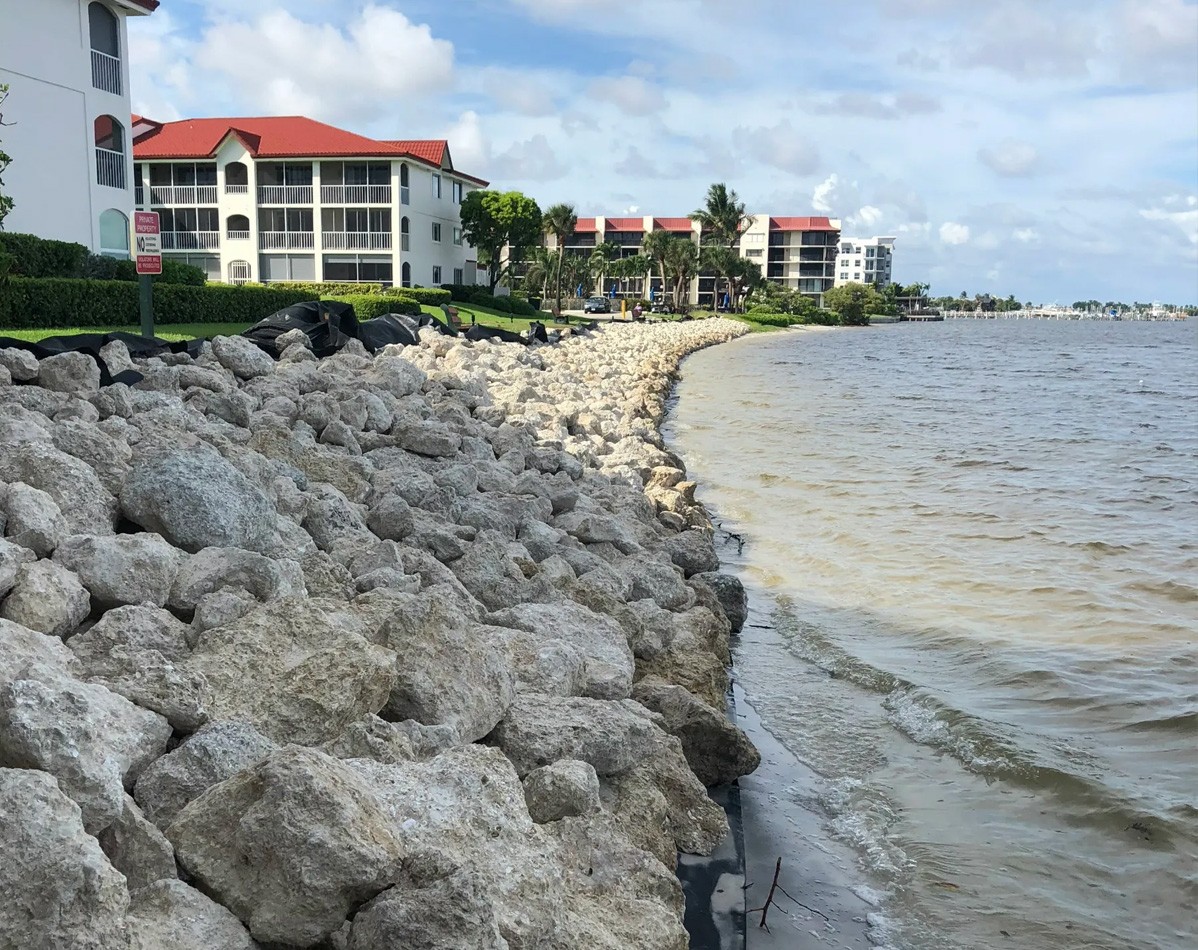
Rock revetment walls serve as a critical component in coastal engineering, providing essential protection for shorelines against erosion. These structures are designed to absorb and deflect the energy of incoming waves, safeguarding coastal areas and infrastructure. Designing an effective rock revetment wall requires a comprehensive understanding of environmental factors, material specifications, and engineering principles. This article delves into the key considerations and strategies involved in crafting robust rock revetment solutions.
Key Considerations in Design
When designing rock revetment walls, several crucial factors must be accounted for to ensure the structure’s longevity and effectiveness.
Environmental Assessment
- Analyze wave dynamics and tidal patterns to tailor the design to specific site conditions.
- Evaluate shoreline erosion rates and historical data to forecast future changes.
- Consider the impact of climate change and rising sea levels on coastal stability.
For detailed insights into environmental assessments, discover expert strategies here.
Material Selection
- Choose durable rock materials that can withstand harsh marine conditions.
- Ensure that the size and weight of rocks are appropriate for the specific wave energy levels.
- Consider the aesthetic integration of materials with the natural surroundings.
Learn about our tailored solutions for material selection in rock revetment construction.
Design and Construction Techniques
The effectiveness of a rock revetment wall is heavily reliant on its design and construction methodology.
Engineering Designs
- Incorporate slope stability analysis to prevent structural failure.
- Design for wave run-up and overtopping to maintain structural integrity.
- Utilize computer modeling and simulations to predict performance under extreme conditions.
Explore advanced guides and tips on engineering designs for rock revetment walls.
Construction Techniques
- Employ specialized equipment to accurately place and secure rocks.
- Implement quality control measures to ensure compliance with design specifications.
- Consider phased construction to minimize environmental disturbance.
Find out more about this approach to construction techniques.
Maintenance and Monitoring
Ongoing maintenance and monitoring are vital to the long-term success of rock revetment walls.
Regular Inspections
- Conduct periodic inspections to identify and address wear or damage.
- Monitor changes in shoreline configuration and adjust structures accordingly.
- Implement maintenance plans that include debris removal and structural reinforcement.
Technological Integration
- Utilize remote sensing and drone technology for efficient monitoring.
- Apply data analytics to enhance predictive maintenance strategies.
For more information on maintenance and monitoring practices, explore advanced guides and tips.
Designing effective rock revetment walls is a complex but rewarding endeavor, requiring a blend of scientific understanding and practical application. By considering environmental factors, selecting appropriate materials, employing robust design and construction techniques, and maintaining diligent monitoring, these structures can provide long-lasting protection and stability to coastal regions.
About the Author


