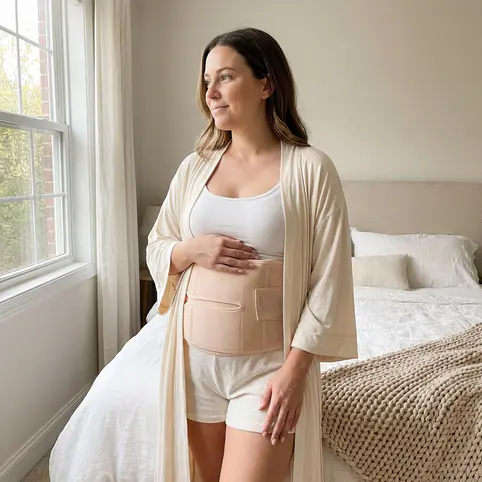
Postpartum recovery is a unique journey for every mother. After childbirth, the body undergoes significant physical changes as it begins to heal and regain strength. During this time, many women consider using a postpartum recovery belt to provide additional support and comfort. While these belts have become increasingly popular, they are often surrounded by misconceptions and conflicting information.
Understanding the truth behind common myths can help new mothers make informed decisions about whether a postpartum recovery belt is right for them. In this guide, we’ll separate myths from facts and explore how postpartum recovery belts can support recovery after childbirth.
What Is a Postpartum Recovery Belt?
A postpartum recovery belt is a supportive garment designed to wrap around the abdomen and lower back after childbirth. It provides gentle compression and support to areas that may feel weak or unstable following pregnancy and delivery.
These belts are available in several styles, including belly wraps, abdominal binders, and multi-panel support belts. Their primary purpose is to improve comfort, support posture, and assist mothers during the postpartum healing process.
Myth #1: Postpartum Recovery Belts Instantly Restore Your Pre-Pregnancy Body
Fact:
One of the most common misconceptions is that a postpartum recovery belt can quickly return the body to its pre-pregnancy shape.
While a belt may provide temporary compression and create a more supported appearance, it does not instantly reverse the physical changes caused by pregnancy. Recovery involves a combination of healing, nutrition, physical activity, and time.
A postpartum recovery belt is designed to support comfort and stability—not serve as a quick-fix weight-loss solution.
Myth #2: Recovery Belts Are Only Useful After a C-Section
Fact:
Although many women recovering from cesarean deliveries use postpartum recovery belts, they can also benefit mothers who have had vaginal births.
Women recovering from both types of delivery may experience:
- Abdominal weakness
- Lower back discomfort
- Postural challenges
- General physical fatigue
A postpartum recovery belt can provide support during everyday activities regardless of the delivery method.
Myth #3: Tighter Compression Means Better Results
Fact:
Many people assume that wearing a recovery belt as tightly as possible will produce better outcomes. However, excessive compression can actually cause discomfort and restrict natural movement.
The ideal postpartum recovery belt should provide:
- Gentle compression
- Comfortable support
- Proper breathing capacity
- Freedom of movement
A belt that is too tight may create pressure points and reduce overall comfort.
Myth #4: Postpartum Recovery Belts Replace Exercise
Fact:
A recovery belt is not a substitute for physical rehabilitation or exercise.
While the belt can provide support and stability during recovery, rebuilding strength requires appropriate physical activity and healthcare guidance. Once approved by a healthcare professional, postpartum exercises can help strengthen the core, improve flexibility, and support long-term recovery.
The belt should be viewed as a supportive tool rather than a replacement for healthy recovery habits.
Myth #5: Every New Mother Needs a Postpartum Recovery Belt
Fact:
Postpartum recovery needs vary from person to person.
Some women find tremendous comfort and support from wearing a recovery belt, while others recover comfortably without one. Factors such as delivery method, activity level, physical condition, and personal preference all play a role.
A postpartum recovery belt can be helpful, but it is not a requirement for every mother’s recovery journey.
Myth #6: Recovery Belts Can Be Worn All Day Without Breaks
Fact:
Continuous wear is not always recommended.
Although postpartum recovery belts can provide valuable support, the body also needs opportunities to move naturally and engage its muscles. Many healthcare providers recommend wearing the belt for limited periods throughout the day rather than continuously.
Following professional guidance helps ensure that the belt supports recovery without creating dependency or discomfort.
Myth #7: Postpartum Recovery Belts Are Uncomfortable
Fact:
A properly fitted postpartum recovery belt should feel supportive and comfortable.
Modern recovery belts are often made with:
- Breathable materials
- Adjustable straps
- Lightweight fabrics
- Flexible designs
Choosing the correct size and adjusting the fit appropriately can significantly improve comfort.
If a belt causes pain or irritation, it may not fit properly or may need adjustment.
Myth #8: Recovery Belts Are Only for the First Few Weeks After Childbirth
Fact:
Many mothers continue using postpartum recovery belts beyond the initial weeks after delivery.
Depending on individual recovery needs, a support belt may remain helpful for:
- Daily activities
- Light exercise
- Extended periods of standing
- Caring for a growing baby
The length of use varies from person to person and should be guided by comfort and healthcare recommendations.
Benefits of Using a Postpartum Recovery Belt
When used correctly, a postpartum recovery belt may offer several advantages, including:
- Improved abdominal support
- Reduced lower back strain
- Better posture
- Increased comfort during movement
- Enhanced confidence during recovery
While results vary, many women appreciate the additional support provided during the healing process.
Choosing the Right Recovery Belt
If you decide to use a postpartum recovery belt, look for features such as:
- Adjustable sizing
- Breathable fabric
- Comfortable compression
- Quality construction
- Adequate abdominal and back support
The best belt is one that provides support without restricting movement or causing discomfort.
Final Thoughts
Postpartum recovery belts are often misunderstood due to the many myths surrounding their use. While they are not miracle solutions, they can be valuable tools that provide comfort, support, and stability during the postpartum healing process.
By understanding the facts, new mothers can make informed choices about whether a postpartum recovery belt fits their recovery needs. Combined with proper rest, nutrition, exercise, and medical guidance, a recovery belt can be a helpful part of a healthy postpartum recovery plan.
About the Author


