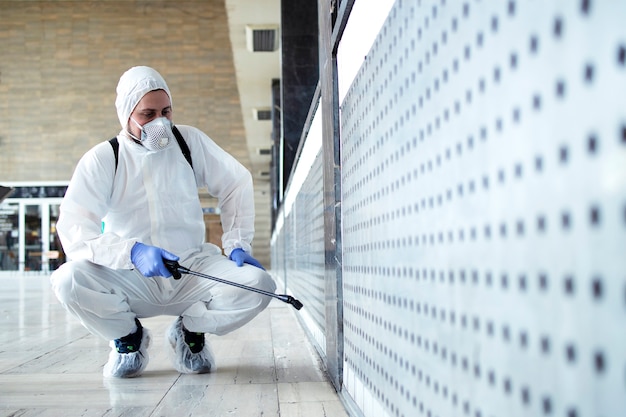
Black mold is a common yet potentially dangerous issue that can affect the health of a home’s occupants. This insidious fungus thrives in damp, humid environments, often lurking in places that are out of sight and out of mind, such as behind walls, beneath flooring, or in attics and basements. The presence of black mold can lead to a host of health problems ranging from mild allergic reactions to significant respiratory issues. Addressing black mold promptly and effectively is essential to ensure a healthy living environment. This article aims to provide a comprehensive guide to black mold abatement, focusing on identification, prevention, and removal strategies.
Understanding Black Mold
Black mold, scientifically known as Stachybotrys chartarum, is a type of fungus that typically grows in areas with high moisture levels. It is recognizable by its dark green or black appearance and slimy texture when wet. Understanding the basic characteristics and growth conditions of black mold is crucial for effective management.
Common Symptoms of Black Mold Exposure
- Chronic coughing and sneezing
- Eye irritation
- Skin rashes
- Persistent headaches
- Fatigue
If these symptoms are persistent and coincide with the presence of black mold, it is advisable to take immediate action. Discover expert strategies here.
Identifying Black Mold in Your Home
Identifying black mold can sometimes be challenging due to its hidden locations. Homeowners should be vigilant in areas prone to moisture, such as bathrooms, kitchens, and basements. Regular inspections and a keen sense of smell can help detect its presence, as black mold often emits a musty, earthy odor.
Steps for Mold Inspection
- Check areas with visible water damage.
- Inspect behind wallpaper and under carpets.
- Examine ventilation systems.
- Use a moisture meter to detect hidden dampness.
For a detailed inspection guide, explore advanced guides and tips.
Prevention Strategies
Preventing black mold is as important as removing it. By controlling moisture levels and improving ventilation, homeowners can significantly reduce the risk of mold growth.
Effective Prevention Methods
- Repair leaks in roofs, walls, and plumbing promptly.
- Ensure proper ventilation in high-humidity areas.
- Use dehumidifiers to maintain indoor humidity below 60%.
- Regularly clean and maintain gutters and downspouts.
To learn about our tailored solutions for mold prevention, find out more about this approach.
Black Mold Removal Techniques
When it comes to removing black mold, professional intervention is often recommended due to the potential health risks involved. However, for small, manageable areas, homeowners can take certain steps to mitigate the issue.
DIY Removal Tips
- Wear protective gear, including masks and gloves.
- Use a mixture of water and detergent to scrub away mold from non-porous surfaces.
- Dispose of contaminated materials properly to avoid spreading spores.
- Seal the affected area to prevent mold spores from dispersing.
For extensive infestations, consider consulting with professionals. Learn about our tailored solutions for effective mold removal.
Conclusion
Black mold poses a serious health risk and can compromise the integrity of your home if not addressed in a timely manner. Understanding how to identify, prevent, and remove black mold is essential for maintaining a healthy living environment. For those seeking comprehensive support and expert guidance, professional services are invaluable. Explore advanced guides and tips to ensure your home remains safe and mold-free.
About the Author